 AgronoBlog – Agriculture Blog
 The stem borer represents a significant threat to various agricultural crops, causing irreversible damage if not detected in time. This article offers a detailed guide to visually and biologically identify the presence of the stem borer, in order to implement timely control and management measures. Early detection is one of the most effective strategies to reduce losses and maintain plant health.
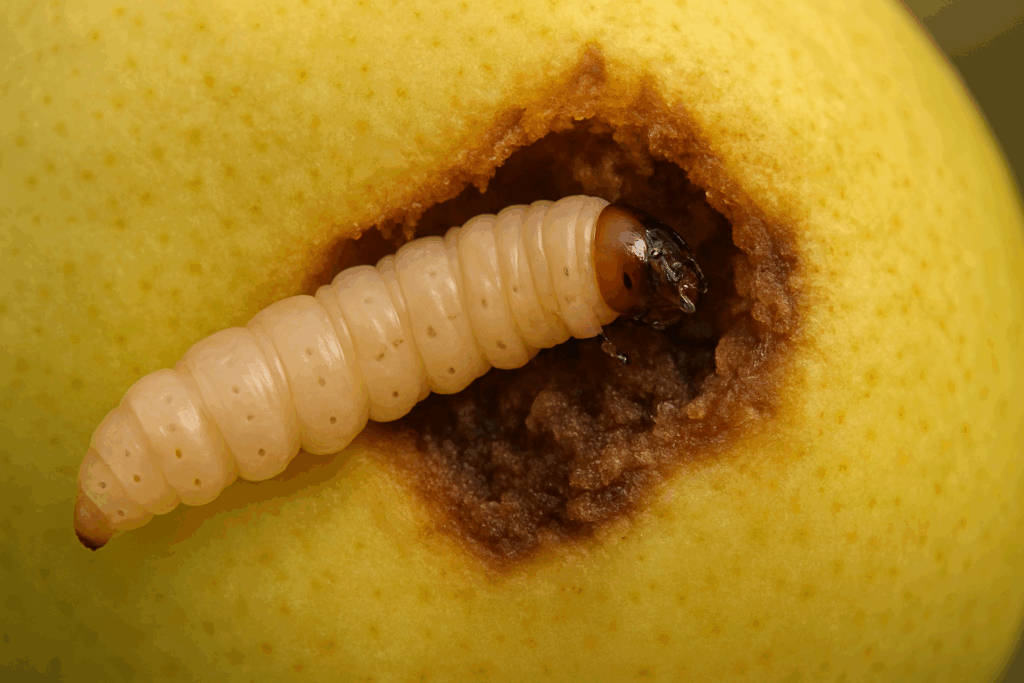
What is the stem borer?
The term “stem borer” is used to describe various species of insects whose larvae bore into the stems, trunks, fruits, or roots of plants. In Latin America, one of the best known is Euscelidius variegatus, although borers such as Diatraea saccharalis (in sugarcane), Zeuzera pyrina (in fruit trees), and Copitarsia spp. (in vegetables) are also included.
Life cycle of the stem borer
- Eggs: deposited in plant tissues, in groups or singly.
- Larva: the most damaging phase; excavates galleries within the plant tissue.
- Pupa: develops inside the plant or in the soil.
- Adult: a flying insect that seeks host plants to lay eggs.
Symptoms and signs of infestation
Visible damage to the plant
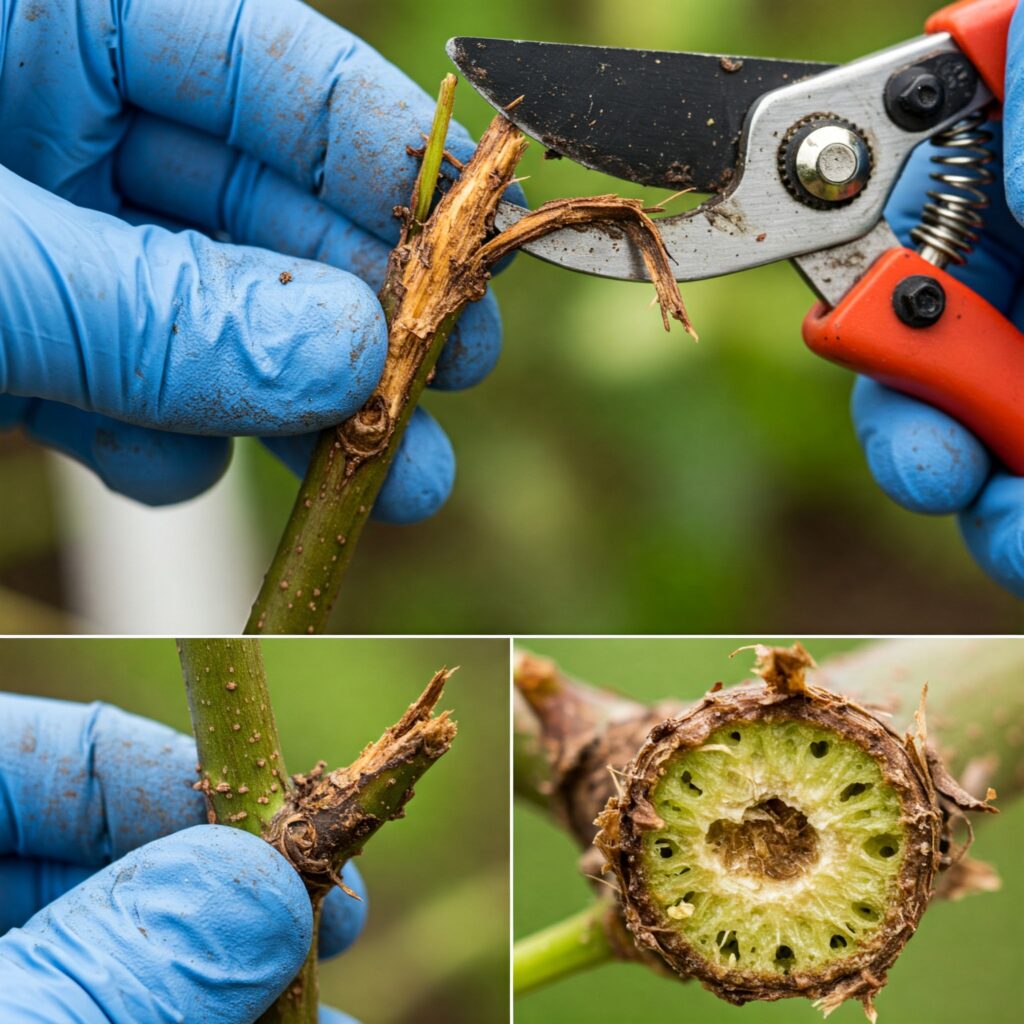
- Circular or irregular holes in stems, fruits, or branches.
- Presence of gummy exudates or resin around the hole.
- Wilted leaves or deformed fruits.
- General loss of vigor in the plant.
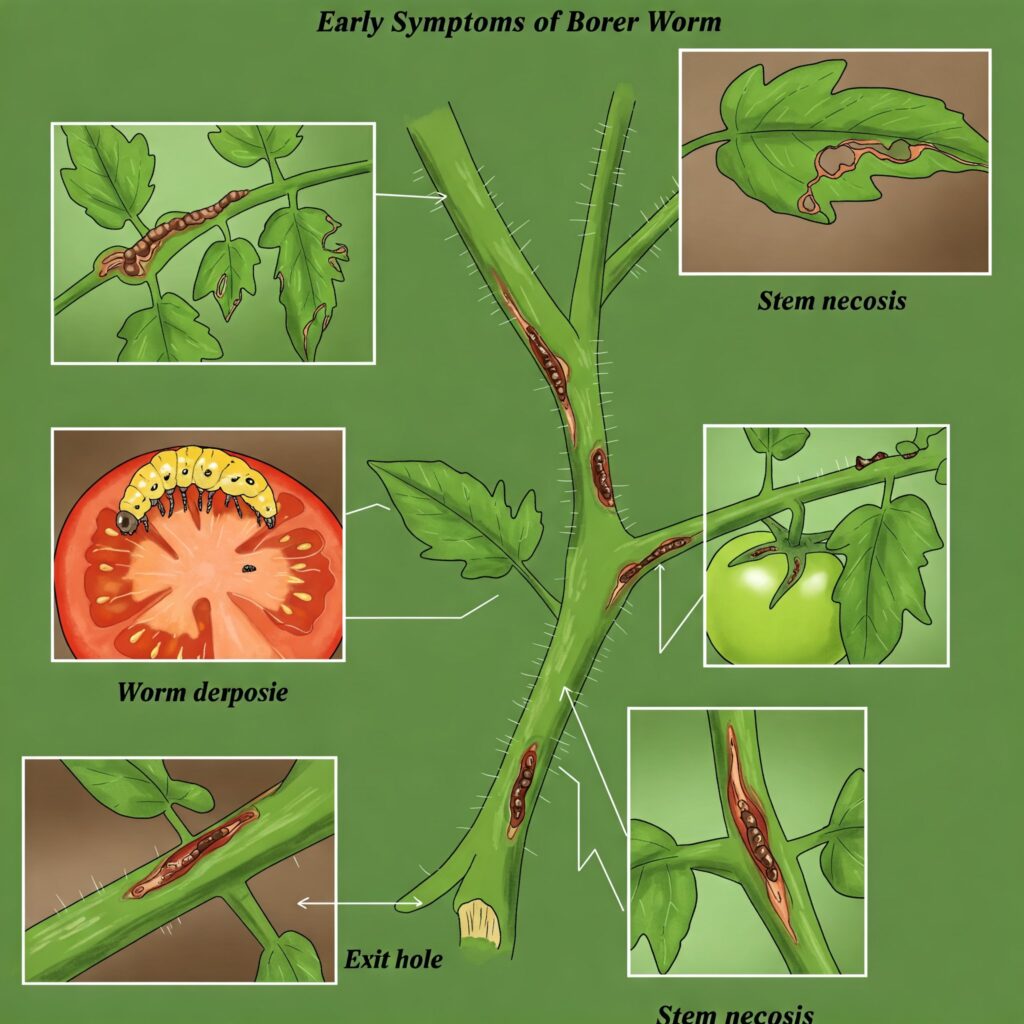
Biological evidence
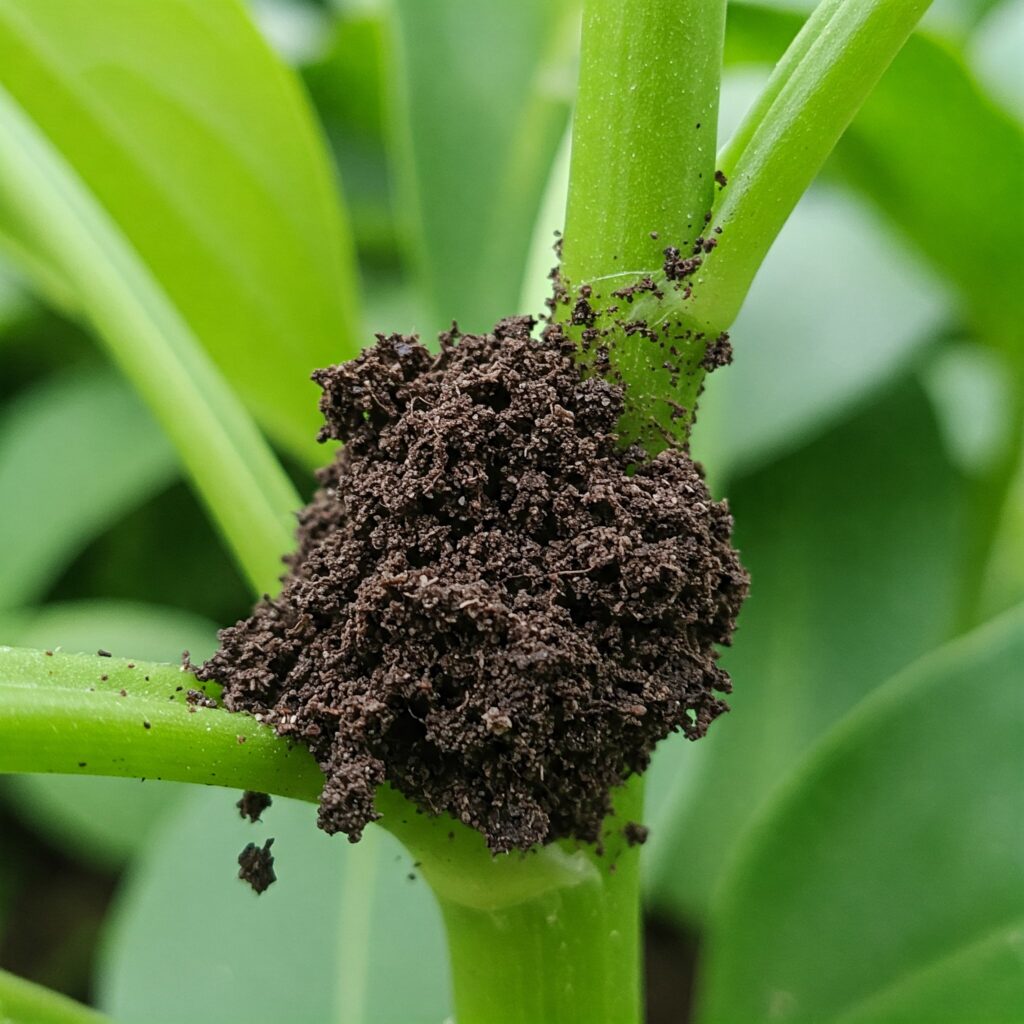
- Presence of sawdust or frass at the base of the stem (result of excavation).
- Frass (insect excrement) accumulated around the damage.
- Visible larvae if the affected tissue is cut open.
- Capture of adults in traps with specific pheromones.
Technical methods for detection
Monitoring with traps
- Pheromone traps: allow the capture of adults during flight.
- Light traps: attract nocturnal adults.
- Placement at strategic points in the crop, especially at edges and shaded areas.
Visual inspection and sampling
- Systematic review of plants every 7-10 days.
- Use of tweezers and blades to open suspicious stems.
- Photographic record of symptoms for evolutionary comparison.
Laboratory diagnosis
- Taxonomic identification using entomological keys.
- Molecular analysis to determine the precise species in mixed infestations.
Factors that favor its appearance
- High crop density.
- High humidity and temperature conditions.
- Presence of weeds or host crops in rotation.
- Lack of pruning and sanitation of the crop.
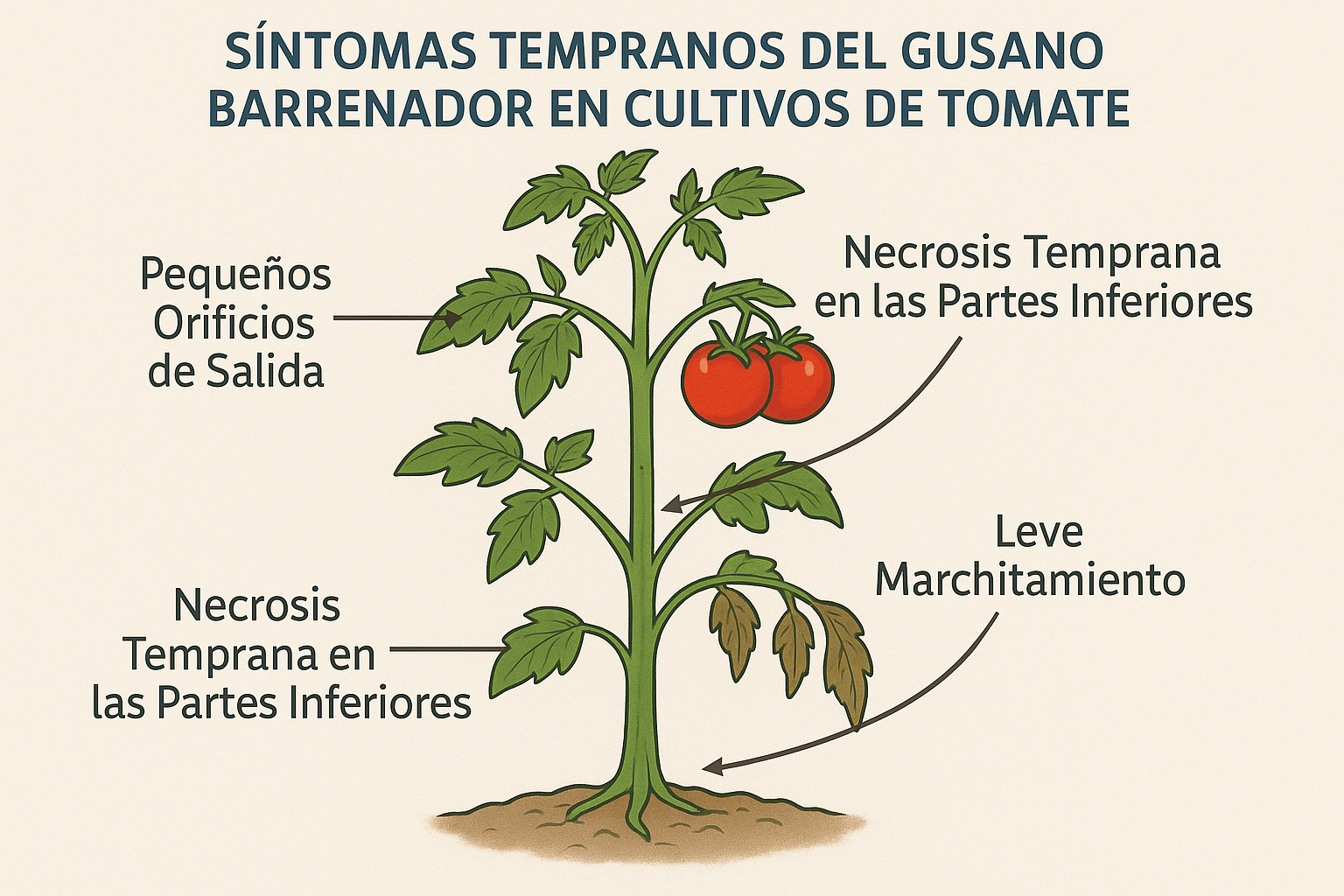
Importance of early detection
Timely detection allows:
- Applying targeted treatments with less environmental impact.
- Preventing spread to other plots or regions.
- Reducing economic losses and increasing productive efficiency.
- Designing more effective integrated management programs.
Conclusion
Identifying the presence of the stem borer in time is a crucial task for any agricultural technician, agronomist, or producer. The combination of detailed observation, the use of traps, and technical analysis constitutes a solid strategy to achieve this. Investing in training and monitoring tools can make the difference between a profitable crop and one devastated by this pest.
Related posts:
 How to Effectively Eliminate the Borer Worm: Control Methods
  Borer Worm: How to Identify and Stop It Before It Destroys Your Crop
  Did you know that ladybugs are biological controllers? Here’s how they help your plants.
 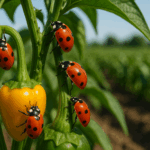 Ladybugs, ladybirds, or beetles in the crop: the natural ally that controls pests without chemicals.