 AgronoBlog – Agriculture Blog
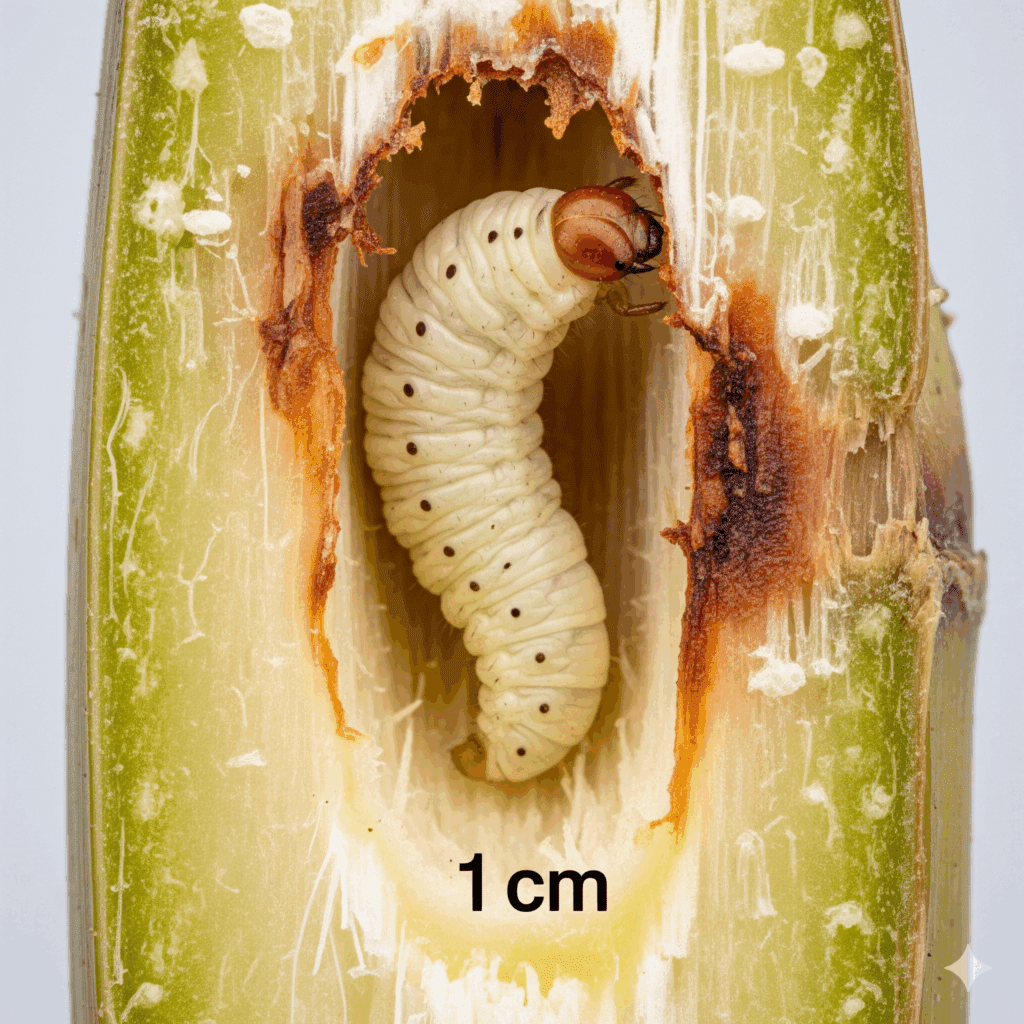
 The sugarcane borer is one of the most devastating pests for sugarcane crops worldwide, capable of causing significant economic losses. Understanding its biology and implementing effective control strategies is fundamental to protecting the productivity of the fields.
Introduction to the Sugarcane Borer
This pest is a constant challenge for sugarcane growers, directly affecting the yield and quality of the final product.
Importance of Pest Control in Sugarcane
Pest control is an essential part of agricultural management in sugarcane. Inefficient management can result in a drastic reduction in biomass and sucrose production, impacting the profitability of farms and the sugar industry as a whole.
Impact of the Sugarcane Borer on Crop Yield
The sugarcane borer causes direct damage by boring into the stalks, which disrupts the flow of nutrients and water, reduces cane weight, decreases sucrose content, and facilitates the entry of pathogens that cause rot. In severe infestations, yield losses can be considerable.

Description of the Sugarcane Borer
To combat it effectively, it is crucial to know this pest thoroughly.
Biology and Life Cycle
The term “sugarcane borer” generally refers to several species of lepidopterans whose larvae bore into the stalks. The most common species vary by region but share a similar life cycle.

Stages of Development
The sugarcane borer’s life cycle includes:
- Eggs: Laid in masses on the underside of the leaves.
- Larvae (worms): These are the most damaging stage. After hatching, they bore into the sugarcane stalks, feeding internally and creating tunnels.
- Pupae: The larva transforms into a pupa inside the stalk.
- Adults (moths): Emerge from the pupae to mate and lay eggs, starting a new cycle. They can have several generations per year.
Favorable Conditions for Proliferation
The proliferation of the sugarcane borer is favored by warm and humid climates, which accelerate its life cycle. Dense crops and extensive monocultures can also create ideal conditions for its development by providing continuous food and shelter.
Pest Identification
Early detection is key to effective control.
Symptoms and Damage to Plants
Typical symptoms of infestation include:
- Entry holes: Small holes in the stalks where the larva enters.
- Bored stalks: Internal tunnels that weaken the stalk, making it prone to breaking.
- Dead central leaves: In early infestations, the central leaf of the cane can die and dry out, a symptom known as “dead heart.”
- Rot: The boring facilitates the entry of fungi and bacteria, causing internal rot that appears as a darkening and softening of the stalk.
- Reduced sugar content: Internal damage affects the production and accumulation of sucrose.
Monitoring and Detection Methods
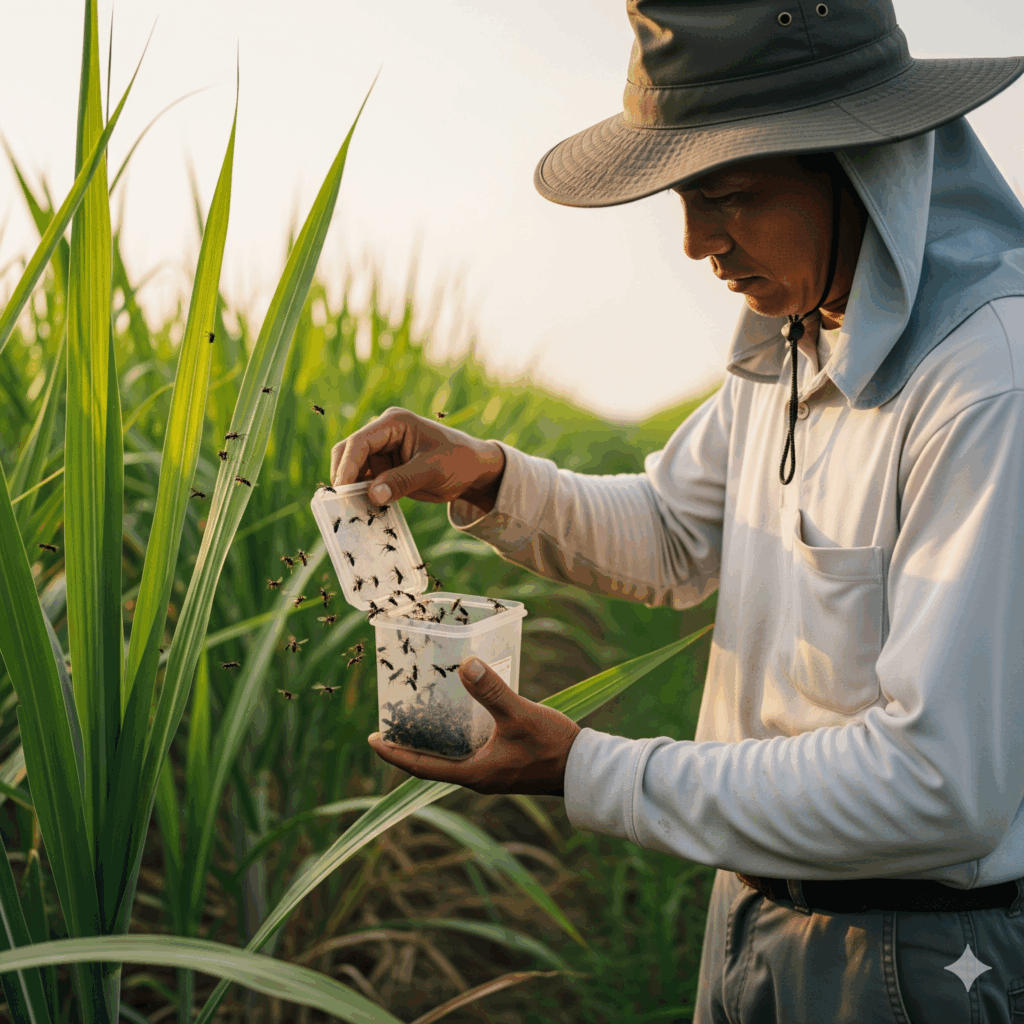
Regular monitoring is essential. Visual inspection of stalks and leaves is recommended to detect eggs, larvae, or entry holes. The use of pheromone traps to capture male moths can help estimate populations and predict flight peaks, indicating the optimal time for control.

Sugarcane Borer Control Strategies
An integrated control approach is the most sustainable and effective way to manage this pest.
Cultural Methods
These practices aim to create unfavorable conditions for the borer and strengthen the cane.
Crop Rotation
Although sugarcane is a perennial crop that is maintained for several ratoon cycles, crop rotation with non-host species during renewal or soil preparation phases can reduce borer populations by disrupting their life cycle and eliminating food sources.
Removal of Harvest Residues
Sugarcane residues from the previous harvest can harbor borer larvae and pupae. The removal or controlled burning of residues can significantly reduce the initial inoculum for the next generation.
Biological Methods
The use of natural enemies is an environmentally friendly strategy.
Use of Parasitoids and Natural Predators
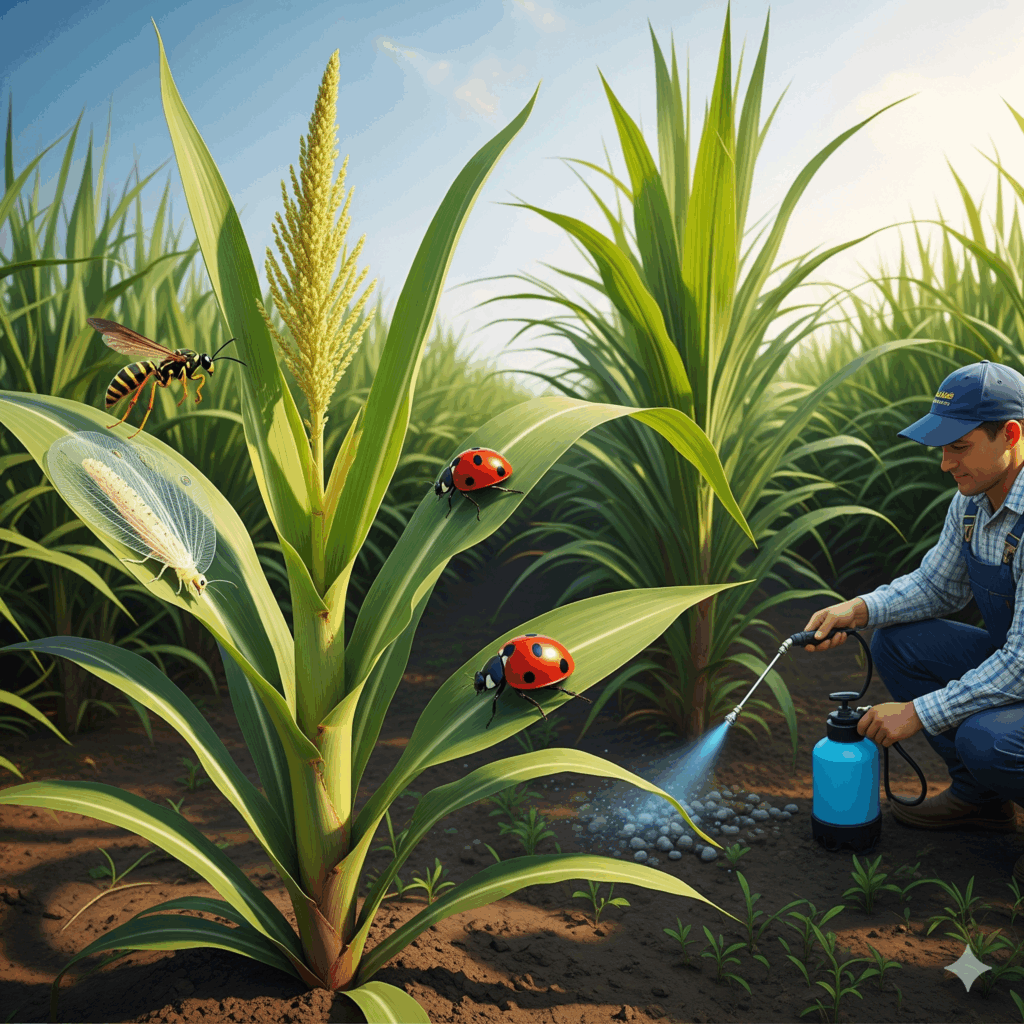
The release of parasitoids, such as the wasp Cotesia flavipes (which parasitizes borer larvae) or Trichogramma spp. (which parasitizes eggs), is a very effective biological control tactic. Fostering the presence of natural predators like birds and certain insects also contributes to control.
Application of Biopesticides
Biopesticides based on microorganisms, such as the entomopathogenic fungus Beauveria bassiana or the bacterium Bacillus thuringiensis (Bt), can be sprayed on the crop. The spores of Beauveria infect the insect, and the toxins of Bt are lethal to the larvae when they ingest them.
Chemical Methods
Insecticides are an option in cases of severe infestations, but they must be used with caution.
Recommended Insecticides
Systemic or contact insecticides can be effective. The choice of product should be based on the specific borer species present, the pest’s stage of development, and local regulations.
Application Techniques and Precautions
Application must be precise and at the right time (when larvae are small or adults are active) to maximize efficacy and minimize the impact on non-target organisms. It is crucial to strictly follow the manufacturer’s dosages and safety measures to protect applicators and the environment.
Integrated Pest Management (IPM)
IPM is the most sustainable and effective strategy for borer control.
Principles of Integrated Management
IPM is based on the combination of multiple control tactics (cultural, biological, genetic, and chemical) in a harmonious way. Its objective is to keep pest populations below the economic damage threshold, prioritizing the most ecologically safe methods and reducing the dependence on chemical pesticides.
IPM Implementation in Sugarcane Fields
The implementation of IPM for the sugarcane borer involves:
- Constant monitoring to detect the pest and its population levels.
- Using sugarcane varieties that are resistant or tolerant to the borer.
- Applying cultural practices that reduce pest pressure (rotation, residue removal).
- Scheduled release of parasitoids at key moments in the pest’s cycle.
- Strategic use of biopesticides.
- Applying chemical insecticides as a last resort, only when infestation levels exceed economic thresholds and always following safety guidelines and active ingredient rotation.
Monitoring and Evaluation of Pest Control
Continuous evaluation is essential for adjusting management strategies.
Regular Crop Inspection
Field inspections must be frequent and systematic to detect the presence of eggs, young larvae, or initial damage. A trained field crew can quickly identify infestation hotspots.
Data Recording and Analysis
Maintaining detailed records of borer population density, observed damage, applied treatments, and their effectiveness allows for the evaluation of control strategies over time. This data analysis is crucial for making informed decisions and improving the management plan in future seasons.