 AgronoBlog – Agriculture Blog
 Rice cultivation is a fundamental pillar of global agriculture, vital for its high demand and nutritional value. This article details the best practices for optimizing its production, covering everything from land preparation to harvesting, with a focus on efficient sowing and transplanting methods.
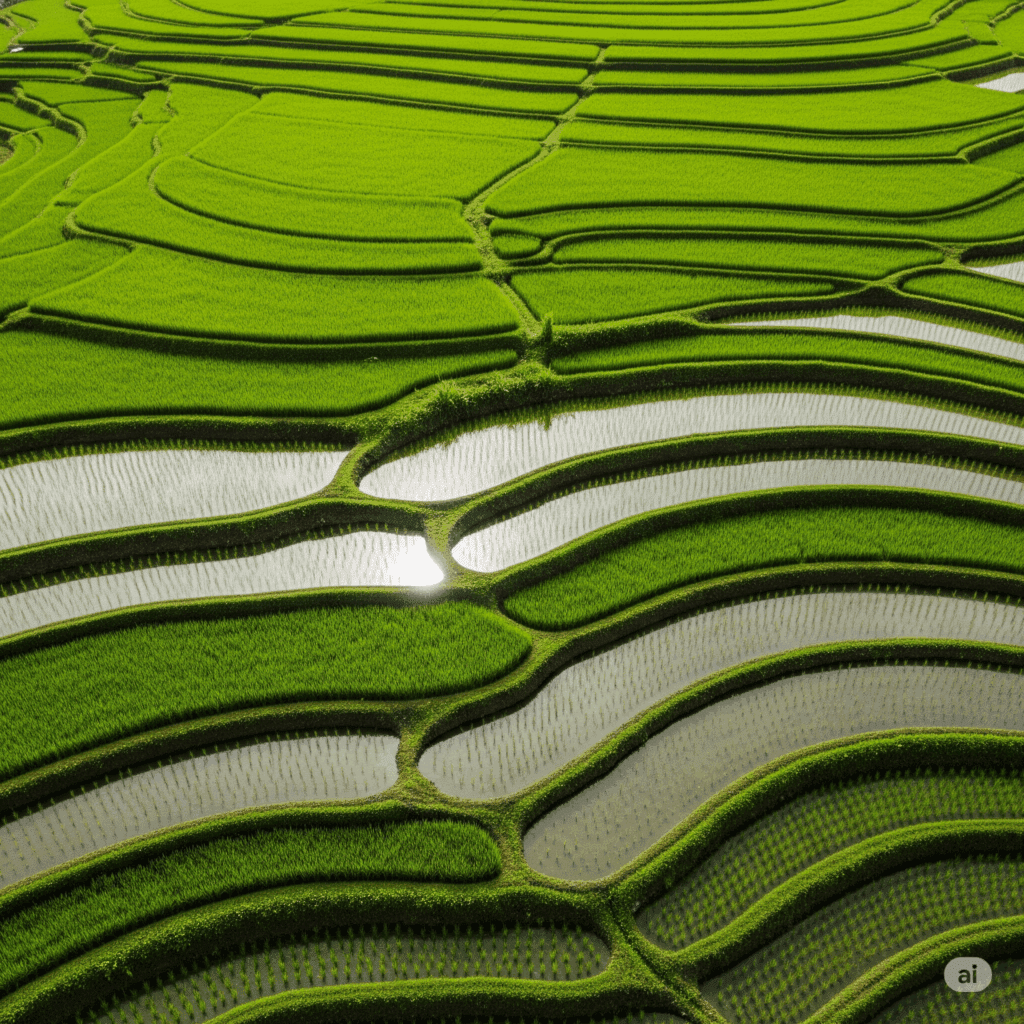
Essential Requirements for Rice Sowing
For successful rice cultivation, it is crucial to consider several preliminary factors that directly influence yield and quality.
Ideal Climatic Conditions for Rice
Rice thrives in warm and humid climates, with optimal temperatures ranging between 20°C and 35°C. The plant requires a prolonged period of warmth during its growth phase, as well as a constant and abundant supply of water, given that it is a hydrophilic crop. The availability of a reliable irrigation source is indispensable, especially in areas with irregular rainfall patterns.
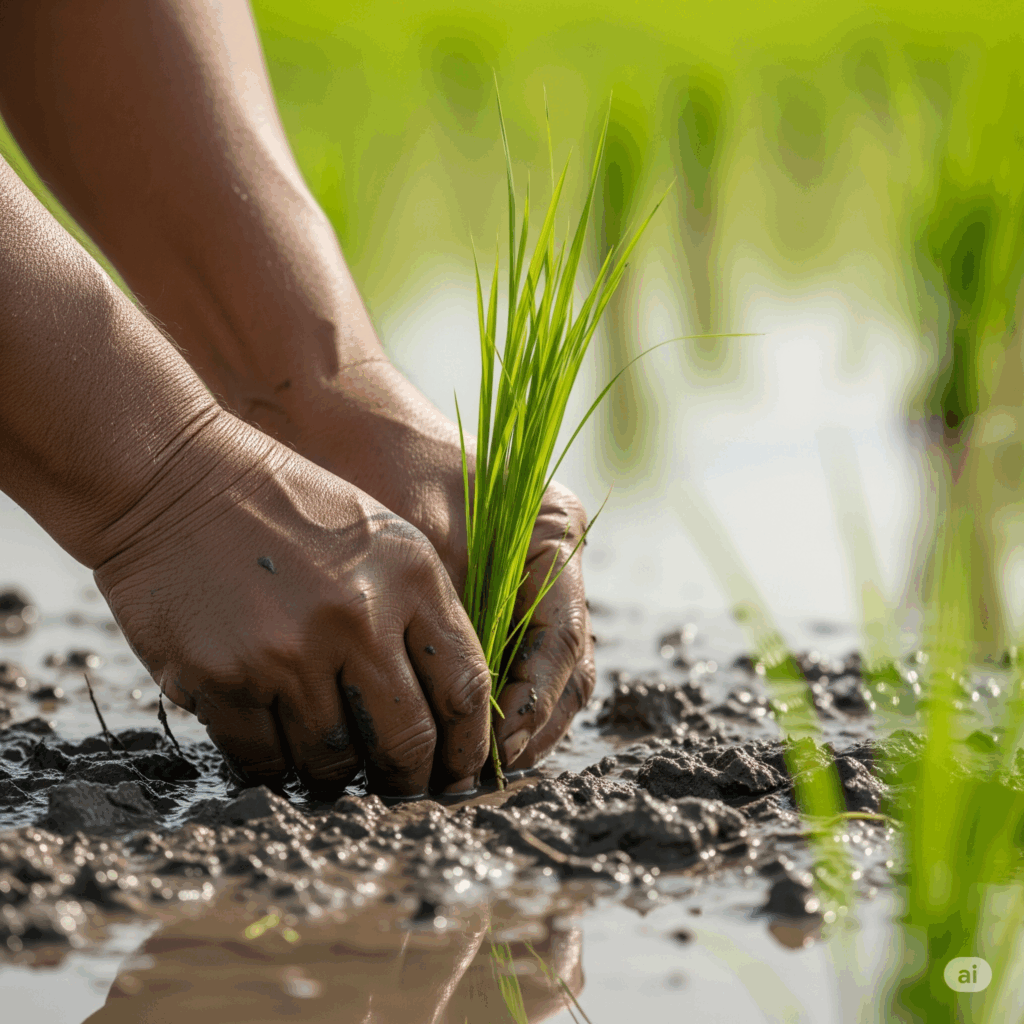
Soil Preparation for Optimal Cultivation
The quality of the soil is a determining factor for the success of rice cultivation.
Suitable Soil Types
Rice grows best in alluvial, clay, and silty soils, known for their excellent water retention capacity. It is vital that the soil is fertile and, at the same time, allows for adequate drainage to prevent waterlogging that could damage the roots.
Soil pH and Nutrients
The optimal pH range for rice cultivation is between 5.5 and 7.0. Performing periodic soil analyses is essential to determine its fertility and adjust pH and nutrient levels. The incorporation of organic and inorganic fertilizers can significantly improve productivity.

Plowing and Leveling Techniques
Deep plowing is key to breaking up the compacted layer of the soil, which improves water infiltration and aeration. Field leveling is equally critical to ensure a uniform distribution of irrigation water, minimizing waterlogged areas and optimizing seed germination.
Efficient Rice Sowing Methods
There are two main methods for sowing rice, each with its own advantages and considerations.
Direct Sowing of Rice
Direct sowing involves planting the seeds directly in the field.
Advantages and Disadvantages of Direct Sowing
This method can be faster and more economical than transplanting. However, it may require a larger quantity of seeds and more intensive weed control due to the simultaneous germination of rice and unwanted grasses.
Techniques and Equipment Used
Direct sowing can be done manually or using specialized machinery, such as mechanical planters, which ensure a uniform distribution of seeds, increasing efficiency and reducing effort.
Water Management in Direct Sowing
Maintaining an adequate water level in the field is essential for seed germination. Careful water management prevents both scarcity and excess water, factors that can negatively impact seedling growth.
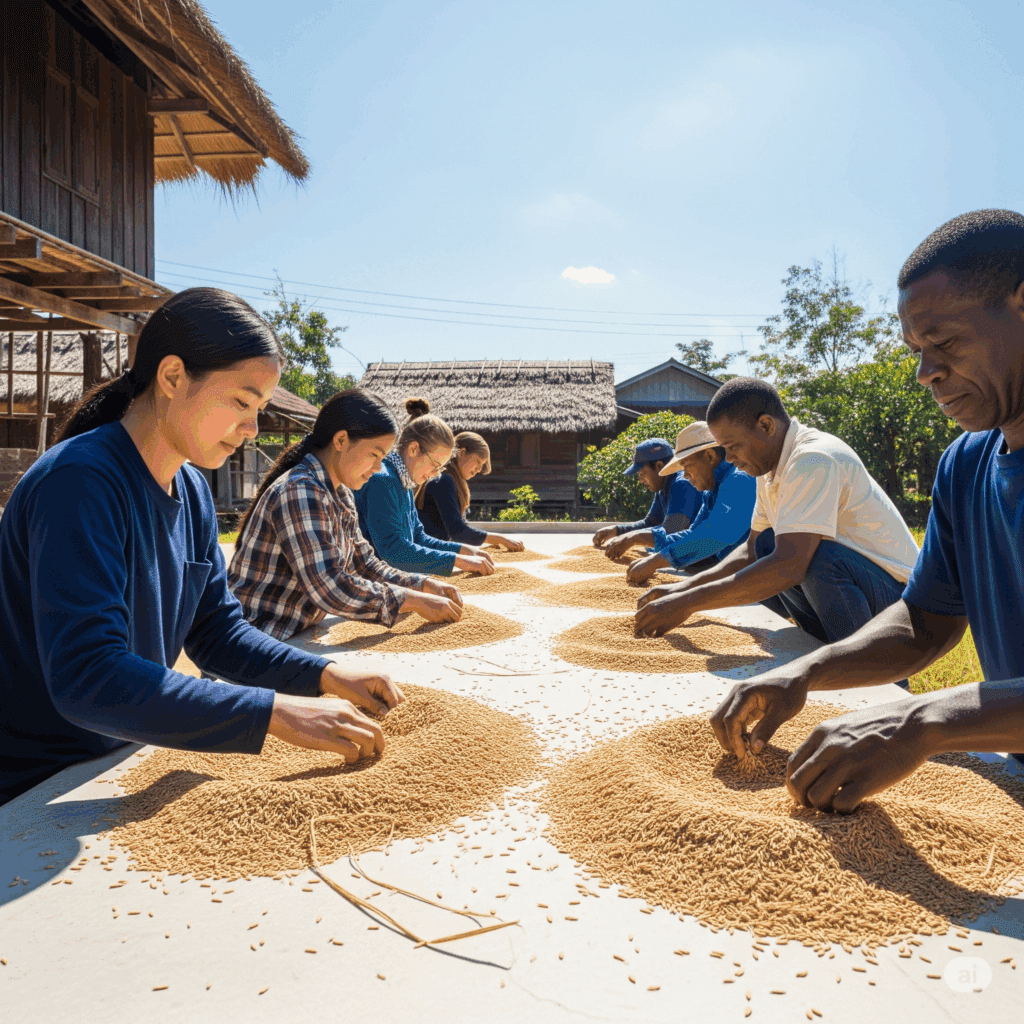
Sowing in Seedbeds (Nursery)
This method involves the initial cultivation of seedlings in a separate area before transplanting them to the main field.
Preparation of Rice Seedbeds
Seedbeds should be established in well-drained and fertile areas. Seeds are sown in rows or broadcast, lightly covered with soil, and watered regularly until the seedlings reach the appropriate size for transplanting.
Seedling Care and Management
Seedlings require constant care, including regular watering and rigorous weed and pest control. Generally, seedlings are ready for transplanting when they reach a height of 15 to 20 cm, which usually occurs between 20 and 30 days after sowing.
Rice Transplanting Techniques
Transplanting is a common practice that allows for better control over plant spacing and health.
Manual Rice Transplanting
The traditional method, although laborious, offers precise control.
Step-by-Step Manual Transplanting Process
It consists of carefully pulling up the seedlings from the seedbeds and planting them individually in the field at regular intervals. This method, although labor-intensive, allows for exact control over planting density.
Benefits of Manual Transplanting
Manual transplanting can lead to a better distribution of plants, optimizing space usage and minimizing competition for nutrients. It also allows for the selection of the healthiest seedlings, increasing the chances of a vigorous crop.
Spacing and Depth Considerations
Adequate spacing between plants, typically 20 to 25 cm, is crucial to avoid competition for resources. The transplanting depth should be such that the roots are firmly anchored without being excessively exposed.
Mechanical Rice Transplanting
The use of technology has revolutionized this stage of cultivation.
Equipment and Machines for Mechanical Transplanting
Mechanical transplanters significantly speed up the planting process, drastically reducing the need for manual labor and improving the overall efficiency of the operation.
Advantages of Using Technology in Transplanting
Mechanical transplanting technology allows for a more uniform and precise planting, which often translates into higher yields and simpler, more effective crop management.
Success Stories and Practical Examples
Numerous studies and experiences of farmers worldwide have shown that implementing transplanting machinery can improve productivity while also reducing labor costs in the long term.
Post-Transplanting Management for Rice
Once transplanted, rice plants require careful management to ensure their optimal development.
Irrigation and Water Management After Transplanting
Water control is vital at this stage.
Efficient Irrigation Methods
Irrigation should be regular and sufficient to keep the field flooded, while avoiding excessive waterlogging. Methods such as alternate flooding and drainage can be highly effective, optimizing water use.
Flood Control and Drainage
It is essential to properly manage flooding to prevent water stress on the plants. An efficient drainage system is crucial to remove excess water and prevent diseases related to excessive humidity.
Fertilization and Pest Control
These two aspects are key to the health and yield of the crop.
Recommended Fertilizers and Application Schedule
Fertilizer application should be based on the specific needs of the crop and soil analysis, using a balanced combination of nutrients. A well-planned fertilization schedule is essential to maximize plant health and yield.
Integrated Pest and Disease Management Strategies
Integrated Pest Management (IPM) is a holistic approach that combines biological, cultural, and chemical methods to control pests effectively and sustainably, minimizing environmental impact.
Harvest and Post-Harvest of Rice
The final phase of the rice cultivation cycle is just as crucial as the previous ones to ensure product quality.
Maturity Indicators for Rice Harvest
Rice grains are ready for harvest when they reach an adequate moisture level, generally between 20% and 25%. The change in grain color (from green to golden) and its firmness are also important indicators of maturity.
Harvesting Techniques: Manual and Mechanical
Harvesting can be done manually or using specialized machinery. Mechanical harvesting, using combine harvesters, is faster and more efficient, especially on large plots, although it requires an initial investment in equipment.
Post-Harvest Management and Storage
After harvesting, rice must be properly dried to reduce its moisture content to 14% or less. This process is vital to prevent spoilage and mold growth during storage. Dry rice should be stored in cool, dry, and well-ventilated conditions to maintain its quality and extend its shelf life.