 AgronoBlog – Agriculture Blog
 Carrot cultivation is an agricultural activity that, with the right approach, can be highly profitable and produce excellent quality roots. Factors such as variety selection, soil management, pest and disease control, along with effective post-harvest practices, are decisive for success. In this article, we will explore the essential elements for achieving high-quality and profitable carrot cultivation, backed by technical data and practical advice for growers.
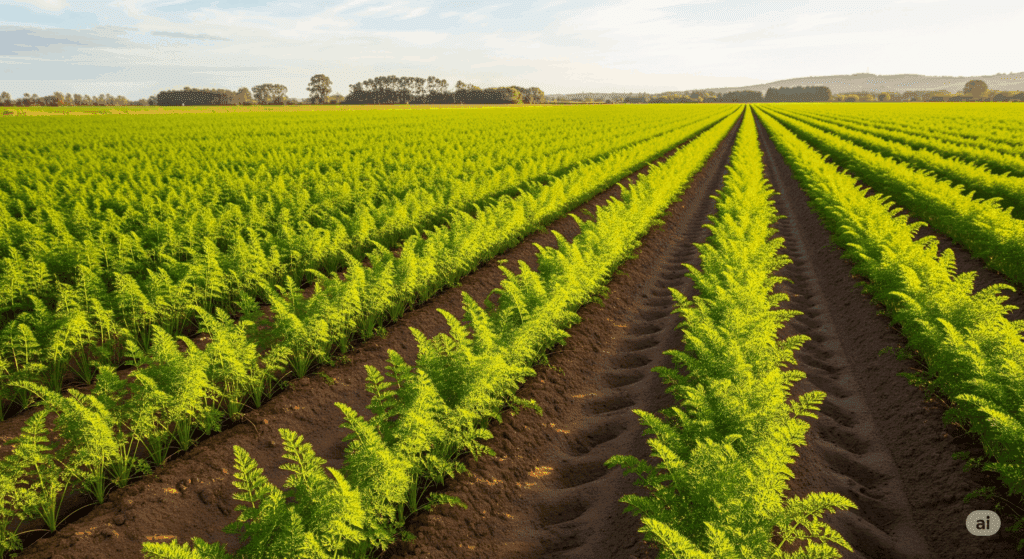
Variety Selection and Soil Preparation
Choosing the Right Variety
The quality and yield of carrots largely depend on the selected variety. To maximize profitability and quality:
- Recommended varieties: Opt for varieties adapted to your climate and soil conditions, such as ‘Nantes’, ‘Chantenay’, and ‘Imperator’. These varieties offer superior characteristics in size, shape, and flavor.
- Disease resistance: Choose cultivars with built-in resistance to common pests and diseases to reduce management costs.
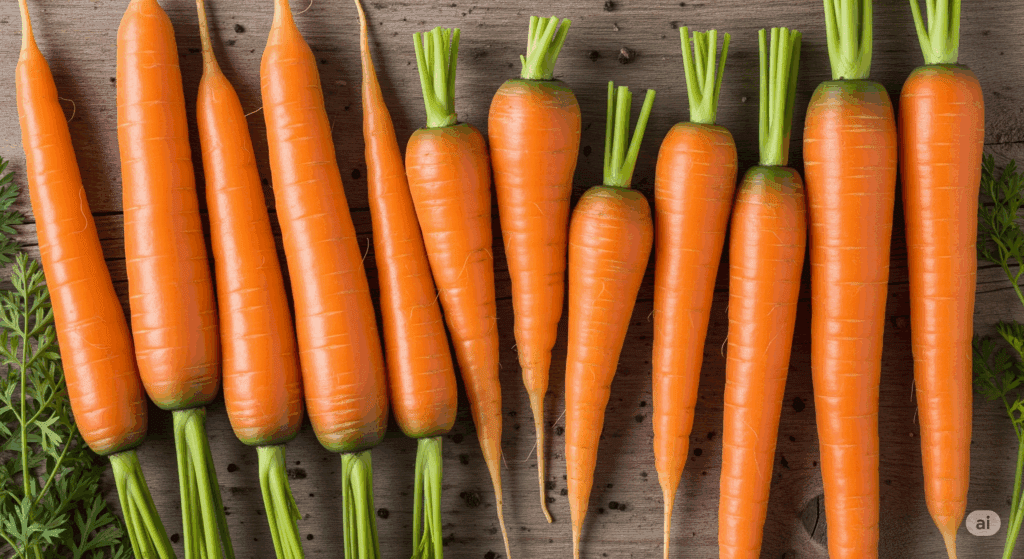
Soil Preparation
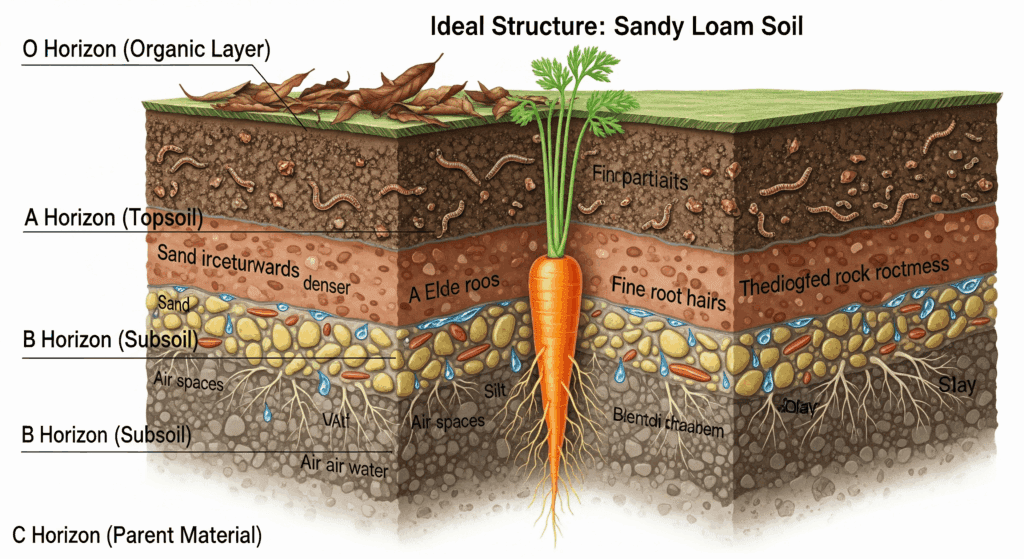
Optimal soil promotes healthy growth and quality roots:
- Texture and drainage: Carrots prefer sandy, well-drained soils to prevent root deformities.
- pH and fertility: Maintain a pH between 6.0 and 6.8. Amend the soil with compost and organic matter to improve structure and provide nutrients.
Key Agronomic Factors
Irrigation and Fertilization
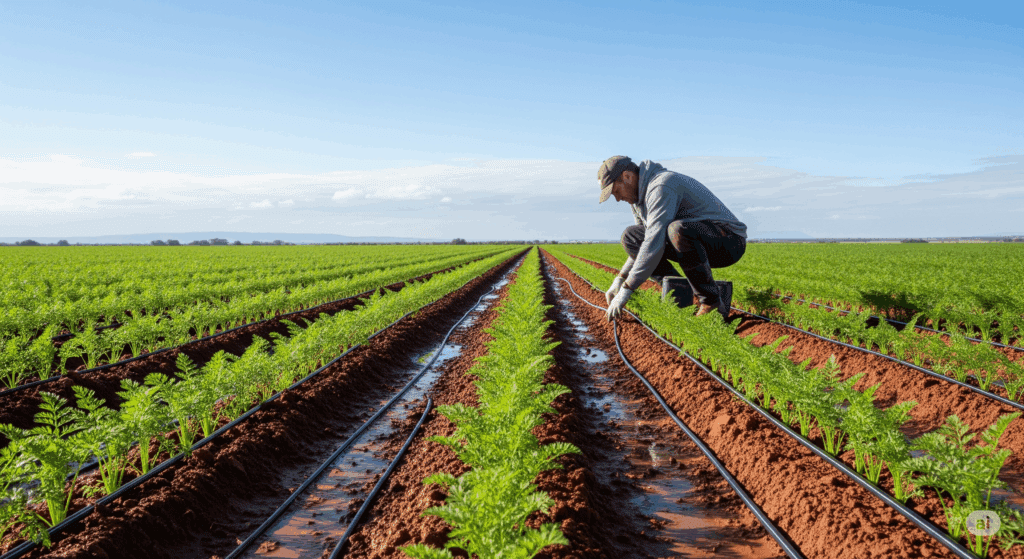
Consistent irrigation and balanced fertilization are crucial for the development of high-quality carrots:
- Irrigation: Use drip irrigation to maintain uniform moisture and prevent waterlogging.
- Fertilization: Apply phosphorus-rich fertilizers for initial root development and then balance with nitrogen and potassium to improve root quality.
| Nutrient | Function in the Crop | Recommended Dose (approx.) |
|---|---|---|
| Nitrogen (N) | Foliar growth and plant vigor | Moderate, adjust according to soil analysis |
| Phosphorus (P) | Development of strong roots | High initial dose at pre-planting |
| Potassium (K) | Root quality and size | Application during growth |
| Calcium (Ca) | Prevention of root deformities | Foliar supplement if necessary |
Pest and Disease Control
- Common pests: Monitor for nematodes, aphids, and the carrot rust fly. Implement crop rotation and control pests with integrated methods.
- Diseases: Prevent root rot and blight through proper drainage practices and organic fungicides when necessary.

Management Techniques
- Thinning: Thin out seedlings to prevent competition for nutrients and space, allowing each plant to develop an optimal root.
- Monitoring and record-keeping: Keep records of crop evolution, pest incidents, and input applications to adjust future practices.
Post-Harvest Strategies to Increase Profitability
Harvest and Storage
- Harvesting time: Harvest when roots reach ideal size and have a uniform color. Avoid over-cultivating to prevent fibrous roots.
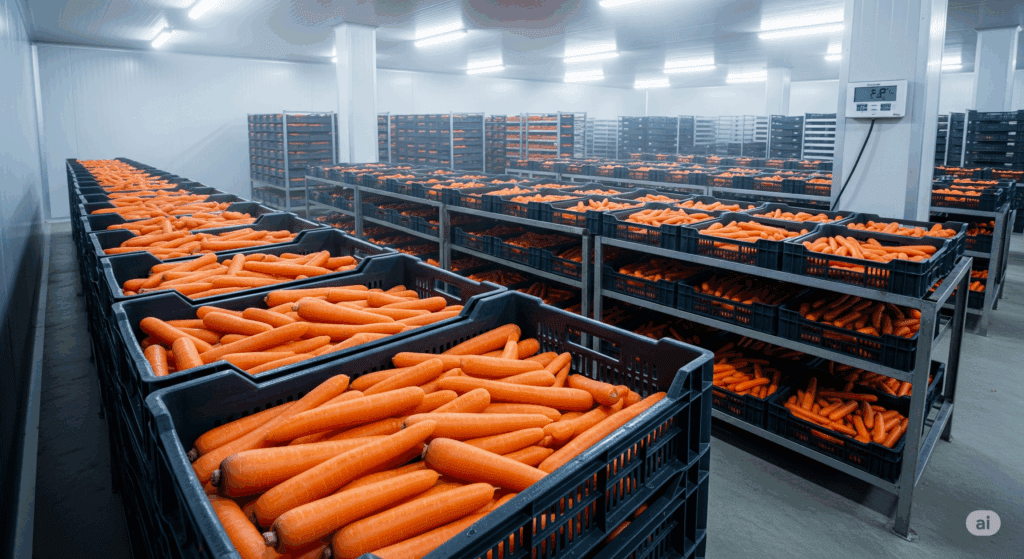
- Post-harvest: Gentle cleaning, grading, and storage in low-temperature, controlled-humidity conditions extend the shelf life and quality of the carrots.
Market and Profitability
- Product quality: High quality increases market value. Uniform roots with good flavor and texture command better prices.
- Cost optimization: Adopting integrated and sustainable practices reduces operational costs and maximizes profit margins.
Conclusion
High-quality and profitable carrot cultivation depends on careful variety selection, precise agronomic management, and efficient post-harvest techniques. By understanding and applying these key factors, growers can significantly improve the quality of their roots and the profitability of their operations. The integration of sustainable practices and constant monitoring are essential to adapt to future challenges and maintain market competitiveness.
References
- Bliss, F.A. (2000). Vegetable Crop Production. CABI Publishing.
- Kader, A.A. (2005). Postharvest Technology of Horticultural Crops. University of California Agriculture and Natural Resources.
- Pedigo, L.P., & Rice, M.E. (2009). Entomology and Pest Management. Pearson.