 AgronoBlog – Agriculture Blog
 Papaya (Carica papaya) is a highly valued tropical fruit with significant economic and nutritional value, experiencing growing demand in markets worldwide. Proper agricultural management, from soil preparation to harvest, is essential for maximizing fruit yield and quality.

Introduction to Papaya Cultivation
Papaya is not only a delicious fruit but also an important source of vitamins and minerals, making it a strategic crop in many tropical and subtropical regions.
Soil Preparation for Papaya
The success of papaya cultivation largely depends on a well-prepared soil with the right characteristics.
Soil Selection
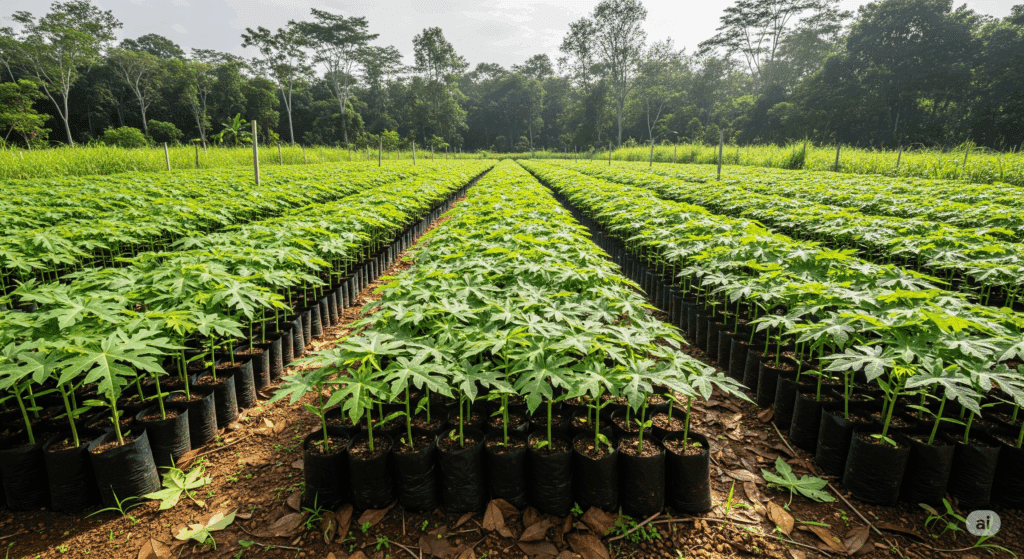
Papaya cultivation requires well-drained and fertile soil for optimal growth. Sandy or sandy-loam soils, with excellent drainage capacity, are ideal. This is crucial to avoid waterlogging, which can lead to root diseases and root rot, weakening or killing the plant.
Soil Analysis
It is essential to perform a soil analysis before planting. This helps determine the levels of available nutrients and the pH, which in turn guides the application of amendments and fertilizers according to the specific needs of the crop. The ideal pH for papaya cultivation is between 5.5 and 7.0.
Land Preparation
Proper land preparation improves soil structure and the environment for root development.
- Deep Tillage: Facilitates the root development of the papaya and improves soil aeration.
- Incorporation of Organic Matter: Adding compost or well-decomposed manure improves soil structure, increases its fertility, and its water retention capacity, which are key elements for vigorous growth.
Sowing and Planting Papaya
Choosing the right variety and a correct planting technique are essential steps for a good start to the crop.
Seed and Variety Selection
The choice of papaya variety should be based on the local climate, the target market, and the desired agronomic characteristics (disease resistance, fruit size, etc.). Some popular varieties include:
- Maradol: Highly valued for its high yield and large fruits, ideal for commercial trade.
- Solo: A smaller variety, preferred in markets that demand individual fruits and smaller portions.
- Tainung: A hybrid variety known for its resistance to certain diseases and its rapid growth, which speeds up production.
Papaya Propagation
Papaya is propagated mainly by seeds. It is highly recommended to use certified seeds to ensure good germination, genetic uniformity, and crop health. Seeds should be sown in seedbeds under controlled humidity and temperature conditions to optimize germination and the initial development of the seedlings.
Transplanting to the Field
Transplanting is a delicate stage that requires care. Seedlings are ready for transplanting when they reach between 20 and 30 cm (8 to 12 inches) in height. It is preferable to perform this operation during the wet season of the year to reduce water stress on the plants and promote their establishment. A spacing of 2.5 to 3 meters (8 to 10 feet) between plants and 3 to 4 meters (10 to 13 feet) between rows is recommended to allow for adequate development and facilitate cultivation tasks.
Irrigation and Water Management
Papaya is a plant that demands a constant and adequate supply of water.
Papaya’s Water Needs
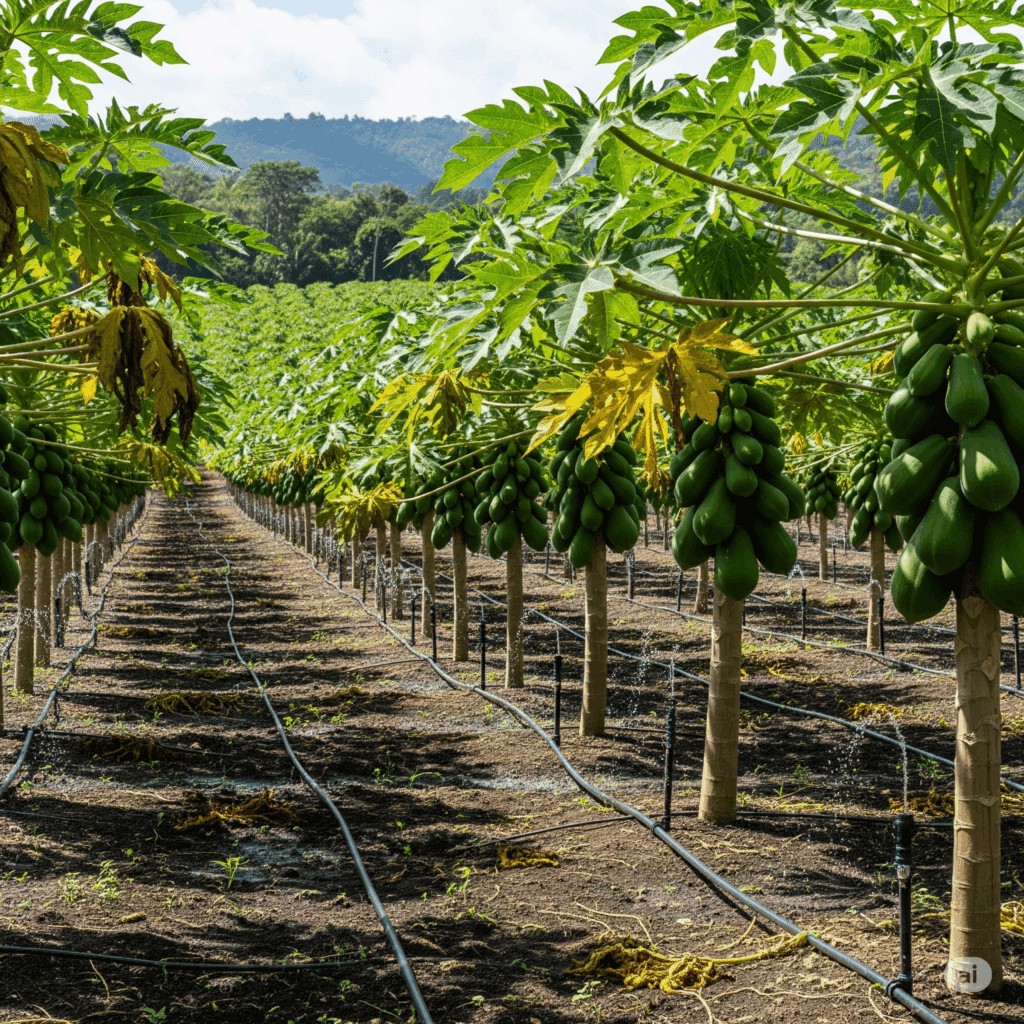
Frequent irrigation is crucial, especially in the early stages and during fruit development. Water needs vary according to the growth stage:
- Establishment: Moderate and constant irrigation to ensure good root development and seedling adaptation.
- Vegetative Growth: Increase the frequency and amount of irrigation to support the plant’s rapid growth, which is very vigorous in this phase.
- Fruit Development: Maintain constant and abundant irrigation to avoid water stress, which can significantly affect the size, quality, and quantity of the fruits.
Recommended Irrigation Systems
Water-use efficiency is vital.
- Drip Irrigation: This is the most efficient system for papaya cultivation. It provides a constant and localized supply of water and nutrients directly to the root zone of each plant, minimizing losses from evaporation and leaching.
- Sprinkler Irrigation: This can be a suitable option in areas with water limitations or uneven terrain. However, it must be managed carefully, as excessive wetting of the foliage can increase the risk of foliar diseases.
Papaya Fertilization
Papaya is a nutrient-demanding crop to produce large, high-quality fruits.
Nutritional Requirements
A balanced fertilization plan is crucial to ensure vigorous growth, abundant flowering, and a constant production of quality fruits. The most demanded primary nutrients are nitrogen, phosphorus, and potassium.
Fertilization Plan
Strategic fertilization ensures the availability of nutrients at key moments.
- Base Fertilization: Apply a mixture of nitrogen, phosphorus, and potassium to the soil before transplanting or at the time of sowing to establish a nutritional base.
- Top Dressing: Make periodic applications of fertilizers during the plant’s growth cycle. The doses and frequencies should be adjusted according to the results of the soil analysis, the nutritional status of the plants, and the phenological stages (vegetative growth, flowering, fruiting).
Foliar Fertilization
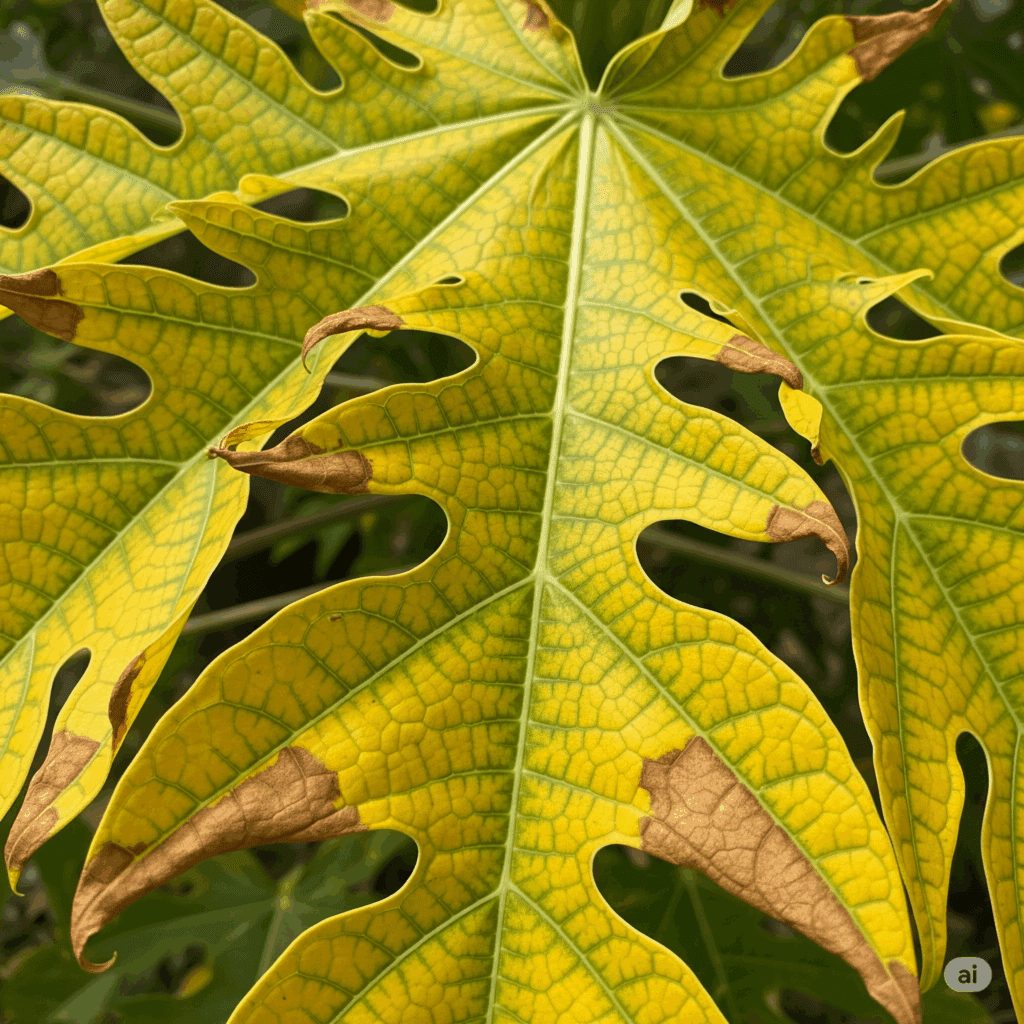
Foliar fertilization is a very useful complementary technique. It allows for the rapid correction of specific micronutrient deficiencies such as zinc, magnesium, and boron, which are essential for flowering and fruit development. These applications are made directly on the leaves during vegetative growth and fruit formation.
Pest and Disease Management
Phytosanitary protection is fundamental to the success and profitability of papaya cultivation.
Common Pests in Papaya Cultivation
Regular monitoring is key to identifying and controlling pests in a timely manner.
- Fruit Fly (Anastrepha spp.): One of the most critical pests, as it lays its eggs in the fruits, directly affecting their quality and commercial value. It can cause significant losses if not effectively controlled.
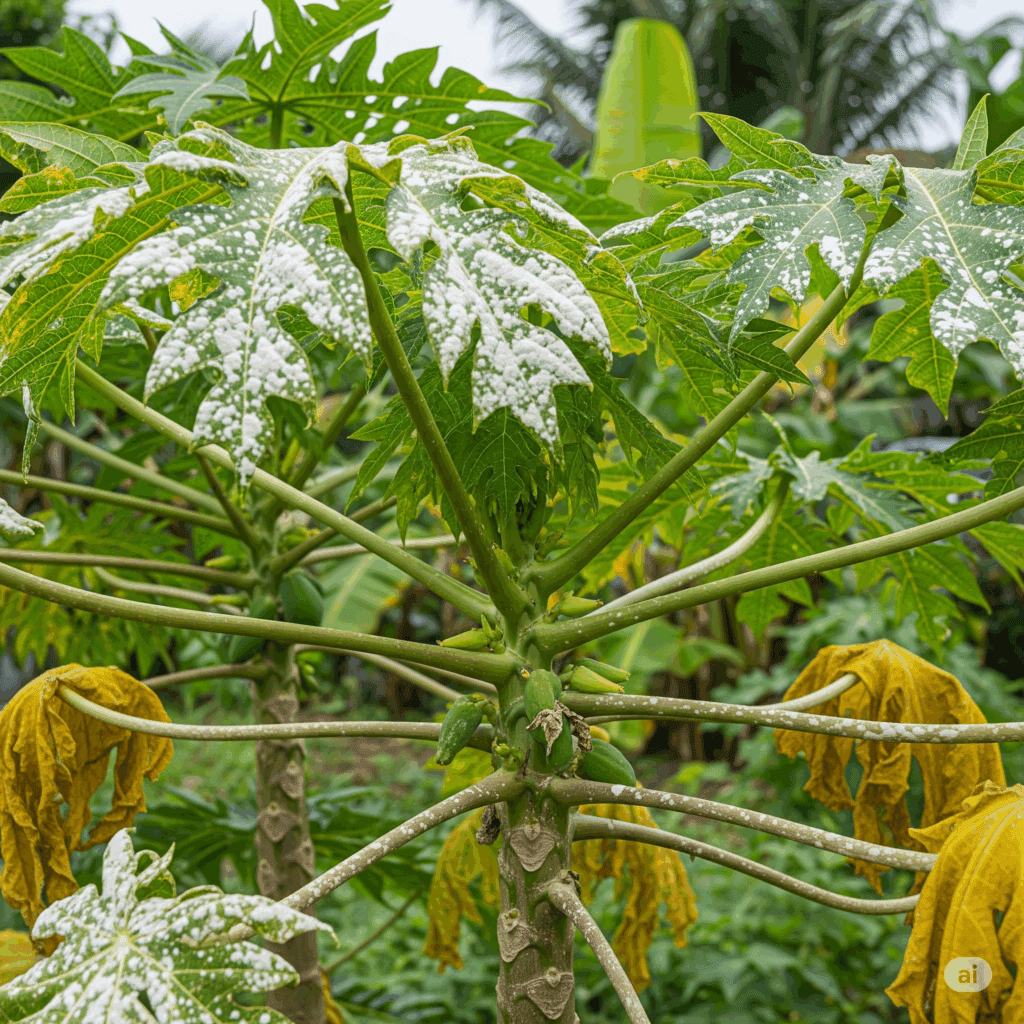
- Mites (e.g., red spider mite): Cause leaf deformities, yellowing, and a reduction in the plant’s photosynthetic capacity, which affects growth and fruit production.
Pest Control Strategies
An Integrated Pest Management (IPM) approach is recommended.
- Regular Monitoring: Constantly inspect plants to detect early signs of pests and determine infestation levels.
- Biological Control: Introduce or promote the presence of natural enemies of pests, such as beneficial insects or microorganisms, to keep their populations under control.
- Insecticide Application: Use specific products (selective insecticides) only when the infestation is severe and monitoring indicates it is necessary. Follow technical recommendations and regulations to minimize environmental impact and avoid resistance.
Diseases in Papaya Cultivation
Diseases can have a devastating impact on the crop.
- Papaya Ringspot Virus (PRSV): This is the most destructive viral disease for papaya. It causes chlorotic spots and leaf deformities, and concentric rings on the fruits, drastically reducing quality and yield.
- Anthracnose (Colletotrichum gloeosporioides): This is a fungus that primarily affects fruits, causing sunken black spots that can evolve into rot, especially during post-harvest.
Disease Control Strategies
Prevention is the best strategy.
- Use of Resistant Varieties: Select and plant papaya varieties that have natural resistance or tolerance to common diseases in your region, such as PRSV.
- Crop Rotation: Avoid planting papaya in the same area for several consecutive years to reduce the buildup of specific pathogens in the soil.
- Fungicide Application: Use preventive and curative fungicides based on climatic conditions (which favor fungal development) and disease pressure, always following technical recommendations.
Harvest and Post-Harvest Management
Harvesting at the right time and careful handling after picking are essential for the quality of the final product.
Maturity Indicators
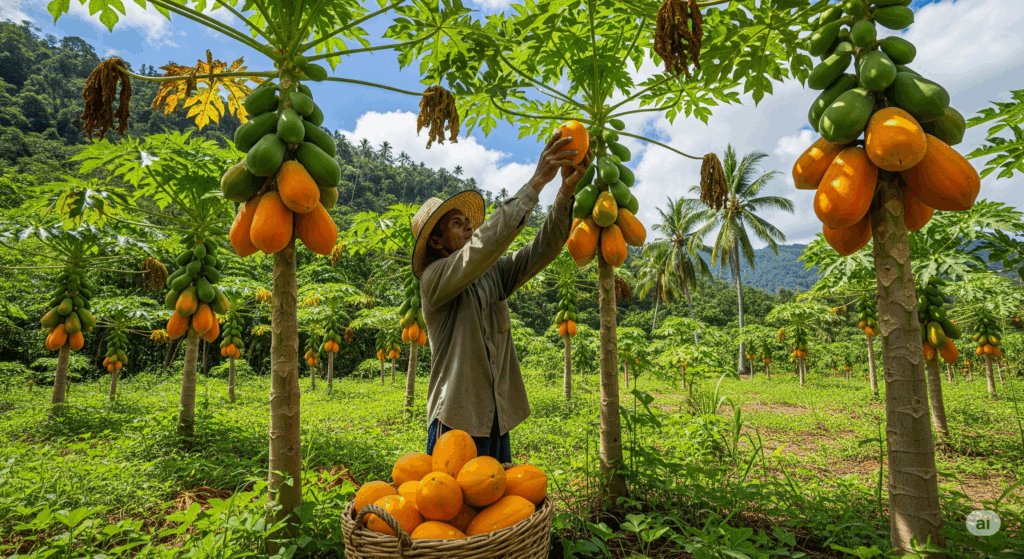
Papaya harvest takes place when the fruits have reached their physiological maturity, which can be identified by:
- Color Change: The fruit’s skin begins to change from green to yellow, typically on one-third to one-half of its surface.
- Fruit Size: The fruits should have reached the characteristic size of the cultivated variety.
Harvesting Techniques
Papaya is a delicate fruit that requires careful handling. Harvesting should be done manually, cutting the fruit with a small portion of the stem (approximately 2-3 cm or about 1 inch) to avoid damage and the entry of pathogens. It is essential to handle the fruits with extreme care to prevent bumps or bruises, which can significantly reduce their shelf life and market appeal.
Post-Harvest Management
Proper post-harvest management is crucial for maintaining the quality of the papaya until it reaches the final consumer. Recommended practices include:
- Washing and Disinfecting: Wash the fruits with clean water and, if necessary, use a mild disinfectant solution to remove field residue and reduce the microbial load on the surface.
- Grading: Separate the fruits according to their size, color, and degree of maturity. This facilitates packaging and allows for offering homogeneous products for different markets.
- Storage: Keep the fruits in refrigerated chambers at a temperature of 10°C to 12°C (50°F to 54°F) and high relative humidity (85-90%) to extend their shelf life, slow down ripening, and preserve their freshness.