 AgronoBlog – Agriculture Blog
 Potato cultivation is a fundamental agricultural activity in many regions around the world, valued for its versatility and high nutritional value. To achieve a successful and abundant harvest, it’s essential to follow a series of practices from soil preparation to post-harvest storage.

Requirements for Potato Cultivation
Before planting, it’s crucial to ensure that conditions are optimal for potato development.
Ideal Climatic Conditions
Potatoes adapt best to temperate to cold climates, with ideal growth temperatures ranging from 15°C to 20°C (59°F to 68°F). Frosts are harmful, especially during the initial stages of growth and flowering. They require good rainfall distribution or an efficient irrigation system, as water is fundamental for tuber development.
Soil Preparation
A well-prepared soil is the foundation for healthy production.
Suitable Soil Types
Potatoes prefer deep, well-drained loam or sandy loam soils with a high organic matter content. Heavy or clay soils can hinder tuber development and promote diseases. It’s essential that the soil pH is between 5.0 and 6.0 to optimize nutrient availability and reduce the incidence of common scab.
Amendments and Initial Fertilization
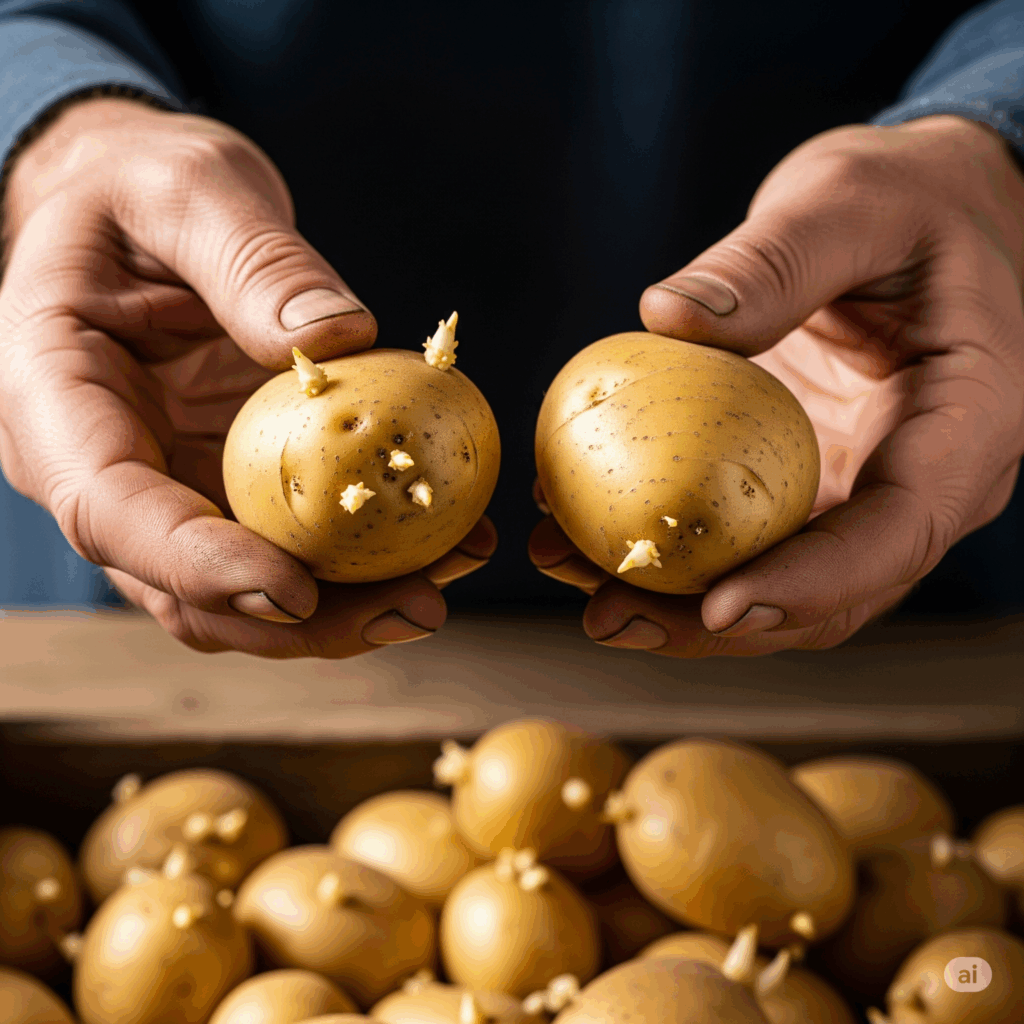
Before planting, a soil analysis is recommended to determine nutritional deficiencies. You can incorporate organic amendments like compost or well-decomposed manure to improve soil structure and fertility. Initial fertilization should focus on providing phosphorus and potassium, which are crucial for root development and tuber formation, along with a portion of nitrogen.
Potato Planting
Correct seed selection and preparation, as well as the planting technique, are critical for a successful crop.
Seed Selection
Using certified, disease-free seed potatoes is the first critical step. Avoid using table potatoes or potatoes from previous harvests that may be infected with latent viruses or pathogens.
Recommended Potato Varieties
The choice of variety depends on local climate conditions, soil type, disease resistance, and the desired end use (table stock, processing, etc.). Common varieties include Russet Burbank, Kennebec, Atlantic, and Desiree, but always consult with local agricultural extension agents for recommendations specific to your area.
Seed Preparation and Treatment
Seed potatoes can be planted whole or cut into pieces, ensuring each piece has at least one or two “eyes” (buds). The pieces should be cured for 2-3 days in a warm, humid place to allow the cuts to heal, which reduces the risk of rot. You can apply protective fungicides as a pre-treatment to prevent diseases.
Planting Techniques
Proper planting ensures optimal spacing and depth.
Spacing and Planting Depth
Row spacing varies between 75 cm and 90 cm (30-35 inches), while in-row spacing can be from 20 cm to 40 cm (8-16 inches), depending on the variety and desired tuber size. The ideal planting depth is 10 cm to 15 cm (4-6 inches).
Planting Methods: Manual and Mechanical
Manual planting is suitable for small areas, allowing for precise control. For large areas, mechanical planters are used to open the furrow, drop the seed, and cover it, speeding up the process and ensuring uniformity.
Potato Crop Management
Once planted, potatoes require constant attention to ensure healthy growth.
Irrigation and Water Management
Water is essential throughout the crop cycle, but especially during the tuberization phase.
Irrigation Frequency and Amount
Potatoes need a constant supply of moisture. Irrigation frequency will depend on soil type, climatic conditions, and the growth stage. It’s crucial to avoid both water stress, which can reduce yield and quality, and waterlogging, which promotes diseases.
Efficient Irrigation Techniques
Drip irrigation is highly efficient, minimizing water waste and applying moisture directly to the root zone. Sprinkler irrigation is also a common option, though less water-efficient. In rainfed systems, it’s vital to conserve soil moisture.
Fertilization and Nutrition
Balanced nutrition is key to yield.
Fertilizer Application During the Crop Cycle
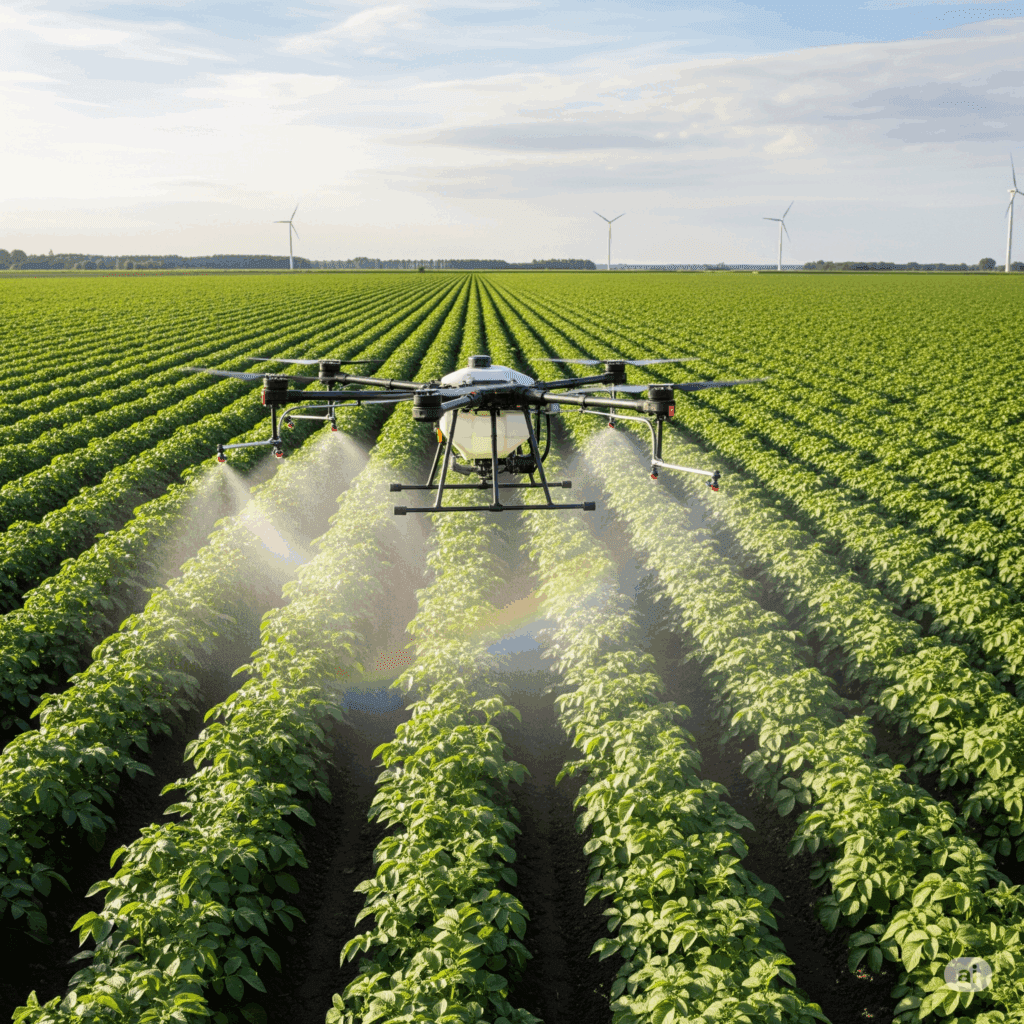
In addition to initial fertilization, supplementary nitrogen applications are needed during the vegetative growth phase and before tuberization. Potassium is essential during tuberization and tuber bulking. Foliar fertilizers can be applied to correct specific deficiencies quickly.
Common Nutritional Deficiencies and Solutions
Common deficiencies include nitrogen (yellowish leaves), phosphorus (slow growth, dark green or purple leaves), and potassium (scorched leaf edges). A foliar analysis can confirm deficiencies, allowing for targeted application of the missing nutrients.
Weed Control
Weeds aggressively compete with potatoes for water, nutrients, and light.
Manual and Mechanical Methods
Manual weeding is effective in small areas. For large areas, mechanical control with inter-row cultivators is an option. It’s important to perform this before weeds begin to compete significantly.
Use of Herbicides: Advantages and Precautions
Herbicides can be an efficient tool for weed control. Select herbicides specifically for potatoes and apply them strictly following the manufacturer’s instructions to avoid crop damage and unwanted residues.
Pest and Disease Management
Potatoes are susceptible to various pests and diseases that can reduce production.
Identification of Common Pests
Some common pests include the Colorado potato beetle (Leptinotarsa decemlineata), aphids (virus vectors), and wireworms. Constant monitoring is crucial for their early detection.
Biological and Chemical Control
Biological control uses natural enemies of the pests. Chemical control with insecticides should be the last resort and applied strategically to prevent resistance. Integrated Pest Management (IPM), which combines different strategies, is recommended.
Prevention and Management of Diseases
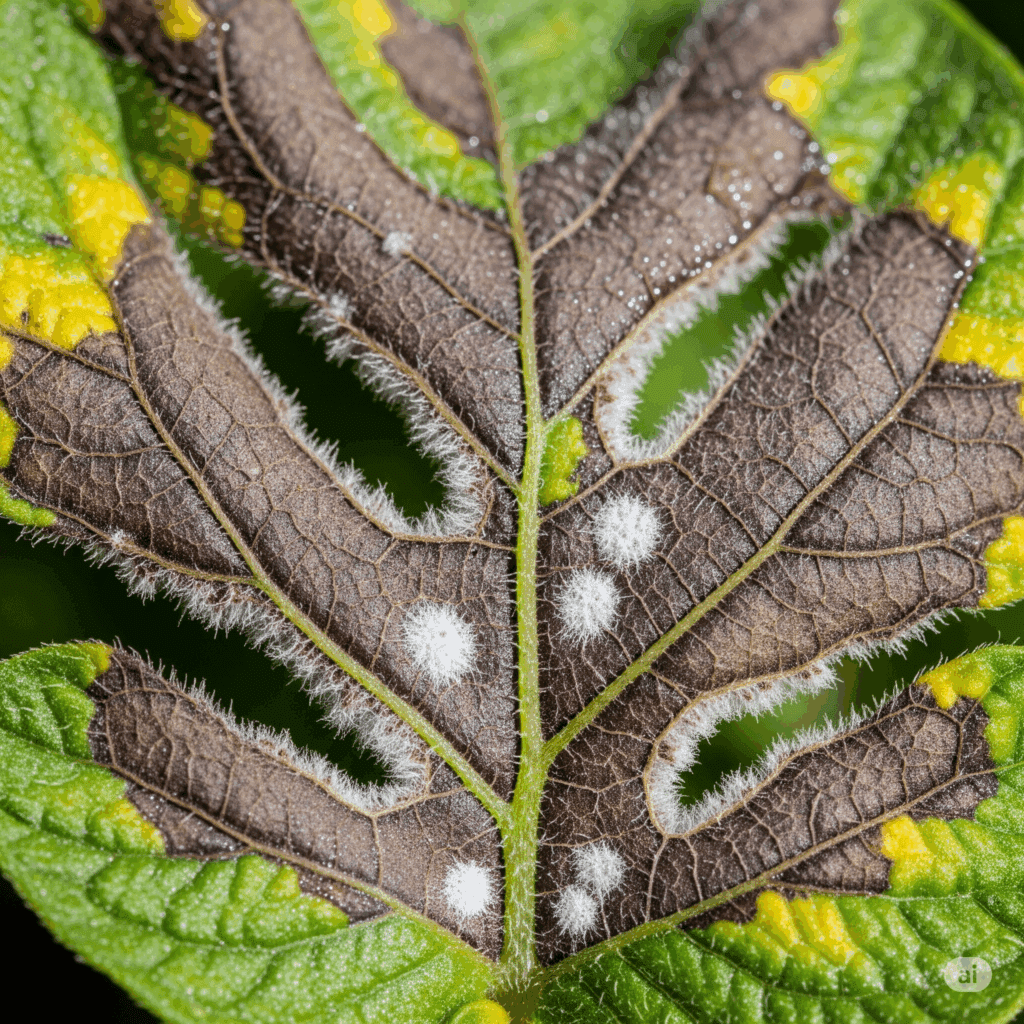
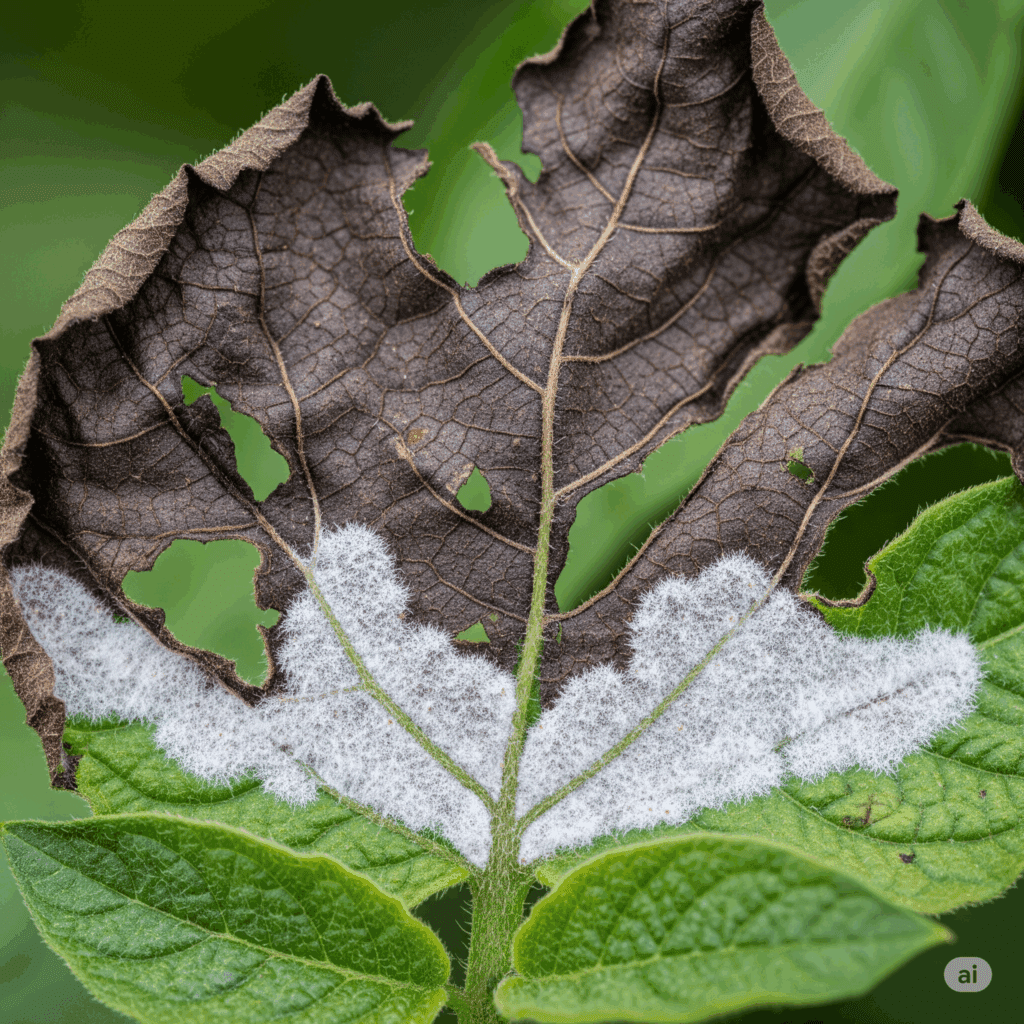
The most important diseases include late blight (Phytophthora infestans), early blight (Alternaria solani), common scab (Streptomyces scabies), and various viruses. Prevention is key: use of healthy seed, crop rotation, good field sanitation, and preventive application of fungicides.
Potato Harvest
The harvest phase requires care to avoid damage to the tubers and ensure their quality.
Determining the Optimal Time for Harvest
Potatoes are ready to harvest when the foliage begins to naturally yellow and die back, which indicates that the tubers have reached their optimal size and maturity. This generally occurs between 90 and 120 days after planting, depending on the variety. It’s advisable to wait about two weeks after the foliage dies to allow the tuber skin to cure and harden (“skin set”), which improves storage life.
Harvesting Techniques
The choice of technique will depend on the scale of production.
Manual Harvest
In small plots, manual harvesting is done with forks or shovels, carefully lifting the soil to extract the tubers. This method minimizes damage but is labor-intensive.
Mechanical Harvest
For large areas, potato harvesters are used to dig up the tubers, separate them from the soil and foliage, and deposit them in trailers. It’s important to adjust the machine to minimize cuts or bruises to the tubers.

Post-Harvest Handling
After harvest, proper handling is essential to maintain quality and extend the shelf life of the potatoes.
Storage and Preservation
Potatoes should be stored in a dark, cool (7°C – 10°C / 45°F – 50°F), and well-ventilated place with high relative humidity (90-95%). This prevents premature sprouting, weight loss, and greening. Avoid exposing them to light to prevent the formation of solanine, a toxic substance that gives a bitter taste.
Preparation for Market
Before marketing, potatoes are classified by size and quality, removing any that are damaged or diseased. They can be washed if the market requires it, but always dry them completely before storage. Proper packaging protects the tubers during transport.