 AgronoBlog – Agriculture Blog
 Sugarcane is one of the most important crops globally, serving as the main source of sugar and a key input for the production of biofuels and other by-products. Mastering the techniques of its cultivation, from planting to harvesting, is essential to ensure efficient and profitable production.
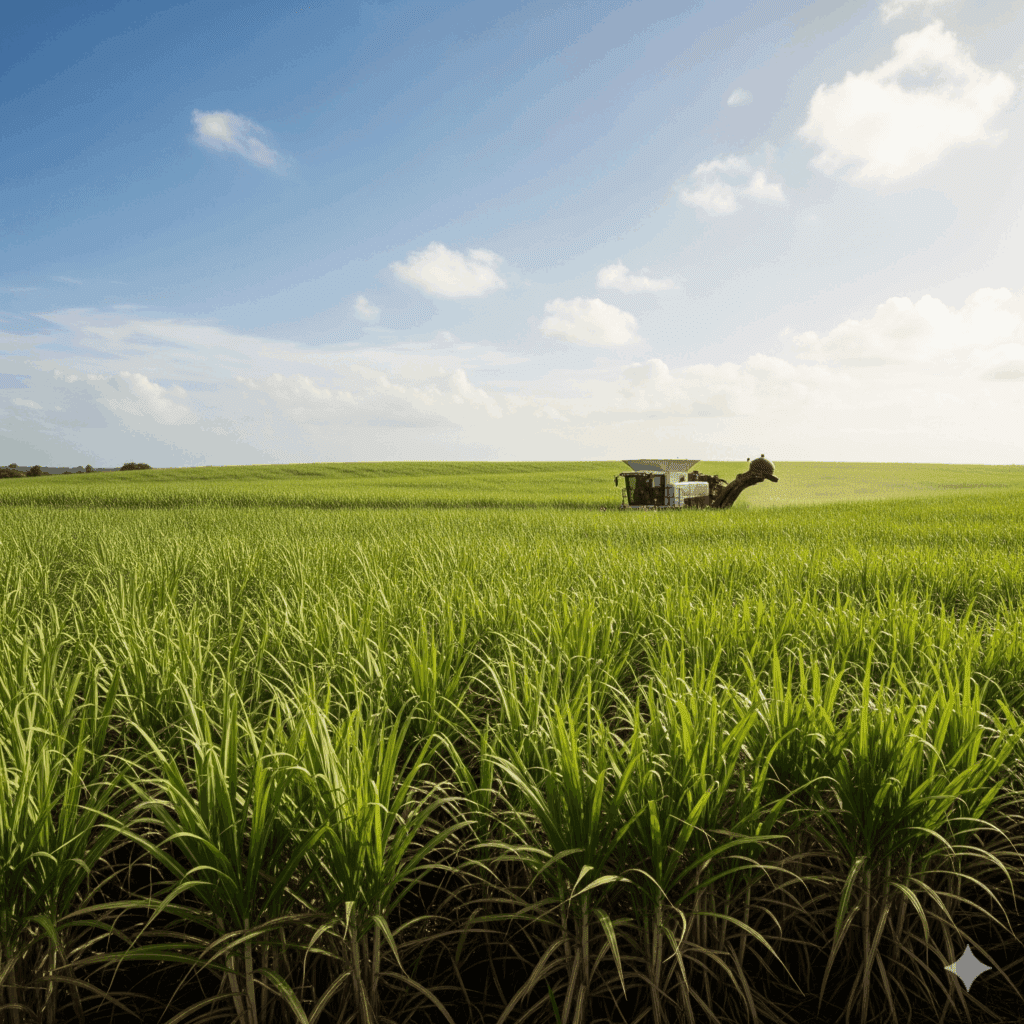
Introduction to Sugarcane Cultivation
This grassy crop is a pillar of the agricultural economy in many nations.
Economic and Agricultural Importance
Sugarcane is not only the primary source of sucrose, an essential sweetener in the global diet, but it also generates ethanol for biofuels, bagasse for energy and fiber, and molasses for animal feed. Its cultivation supports local economies, creates jobs, and contributes to rural development in various tropical and subtropical regions.
Main Producing Regions
The main sugarcane producing regions are in tropical and subtropical areas, with Brazil leading as the world’s largest producer, followed by India, China, and Thailand. Latin America and the Caribbean, including countries like Mexico, are also important players in this industry.
Establishing the Sugarcane Crop
The success of a sugarcane plantation begins with adequate site selection and meticulous soil preparation.
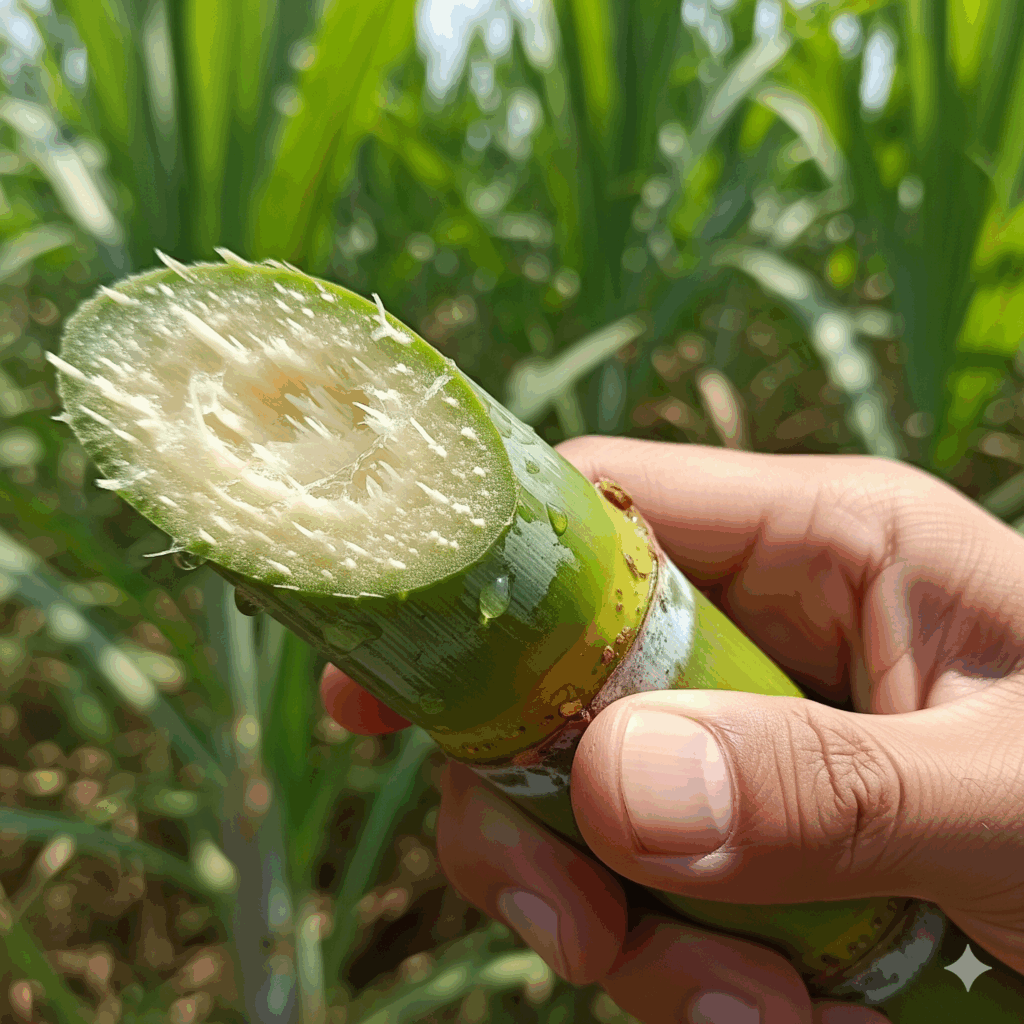
Site Selection
Choosing the right location is decisive for yield.
Ideal Climatic Conditions
Sugarcane thrives in warm and humid climates, with average temperatures between 20°C and 35°C. It requires high sun exposure (more than 6 hours of light per day) and annual rainfall between 1,500 and 2,500 mm, or the availability of irrigation. Frosts are extremely harmful.
Soil Characteristics
It prefers deep, fertile, well-drained soils with good moisture-retention capacity. Loam or clay-loam soils are ideal. The optimal pH is between 6.0 and 7.5. It is crucial to avoid soils with salinity problems or severe compaction.
Soil Preparation
A well-conditioned soil allows for optimal root development.
Plowing and Leveling
Deep plowing is recommended to break up compacted layers and improve aeration. Land leveling is fundamental to ensure a uniform distribution of irrigation water and prevent waterlogging, which is vital for the crop’s health.
Amendments and Initial Fertilization
Before planting, organic amendments (compost, manure) can be applied to improve soil structure and fertility. Initial fertilization should be based on a soil analysis, focusing on a balance of nitrogen, phosphorus, and potassium, which are essential for plant establishment.
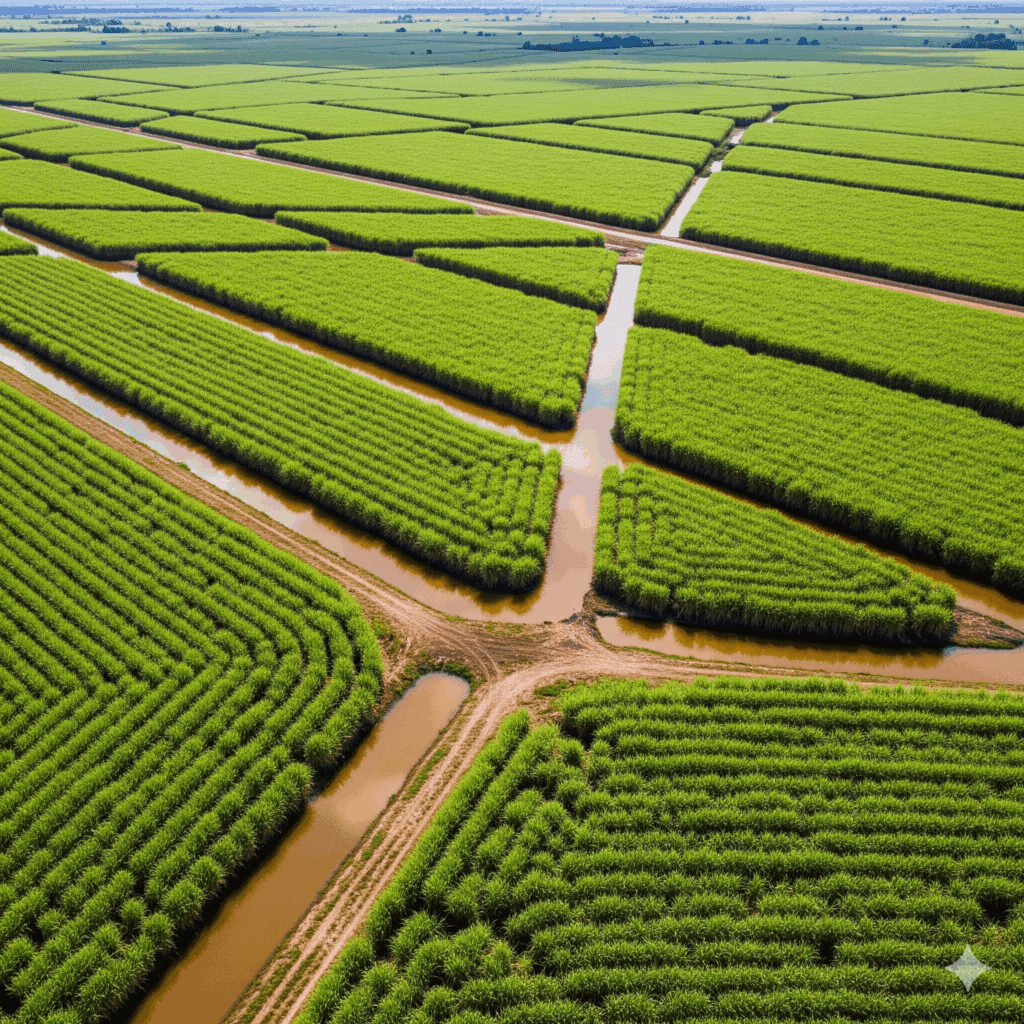
Selection and Preparation of Planting Material
The quality of the “seed” is key to a vigorous crop.
Sugarcane Varieties
There are numerous sugarcane varieties, each with specific characteristics in terms of sucrose yield, pest and disease resistance, and climatic adaptation. The choice of variety should be based on local recommendations and production goals.
Seed Treatment
The sugarcane segments used for planting (stalks or “setts”) must be healthy, free of pests and diseases. It is recommended to treat the setts with fungicides and, in some cases, with rooting stimulants, to ensure good germination and initial protection.
Planting Techniques
The way the setts are planted influences the density and uniformity of the crop.
Planting Methods: Manual and Mechanical
Manual planting is common in small plots or irregular terrain, where the setts are placed in furrows and covered manually. Mechanical planting, using specialized planters, is more efficient for large areas, allowing for greater uniformity and speed.
Spacing and Planting Depth
The spacing between rows generally varies between 1.2 and 1.8 meters, while the planting depth is between 15 and 20 cm. These parameters ensure proper plant development and facilitate subsequent cultivation tasks.
Sugarcane Crop Management
Once established, the cane requires constant management to optimize its growth and yield.
Irrigation and Water Management
Water is a vital resource for sugarcane, especially in key phases.
Irrigation Frequency and Methods
Irrigation frequency depends on climatic conditions, soil type, and the growth stage. Methods like furrow irrigation are common, while drip irrigation or sprinkling can be more water-efficient, although they involve a greater investment.
Water Conservation
Conservation strategies include land leveling, the use of mulching to reduce evaporation, and the implementation of efficient irrigation systems. Proper water management not only saves the resource but also improves nutrient efficiency.
Fertilization and Nutrition
Balanced nutrition is fundamental for a high yield.
Fertilizer Application
Sugarcane is a high nutrient extractor. Applications of nitrogen, phosphorus, and potassium should be carried out at various stages of the growth cycle, based on soil and foliar analyses. Micronutrients such as iron, zinc, and manganese are also important.
Diagnosis of Nutritional Deficiencies
Monitoring for visual symptoms on leaves (chlorosis, necrosis) and foliar analyses are key tools to identify nutritional deficiencies and adjust the fertilization program in a timely manner.
Weed Control
Weeds compete directly with the cane for resources, affecting growth.
Manual and Mechanical Methods
Manual control or with mechanical cultivators is effective in the early stages of the crop. Hilling (accumulating soil around the base of the plant) also helps suppress weeds and support the plant.
Use of Herbicides
Pre-emergent and post-emergent herbicides are widely used for efficient weed control over large areas. It is crucial to select the right products and apply them according to recommendations to avoid damage to the crop and residues.
Pest and Disease Management
Phytosanitary protection is vital for the crop’s health.
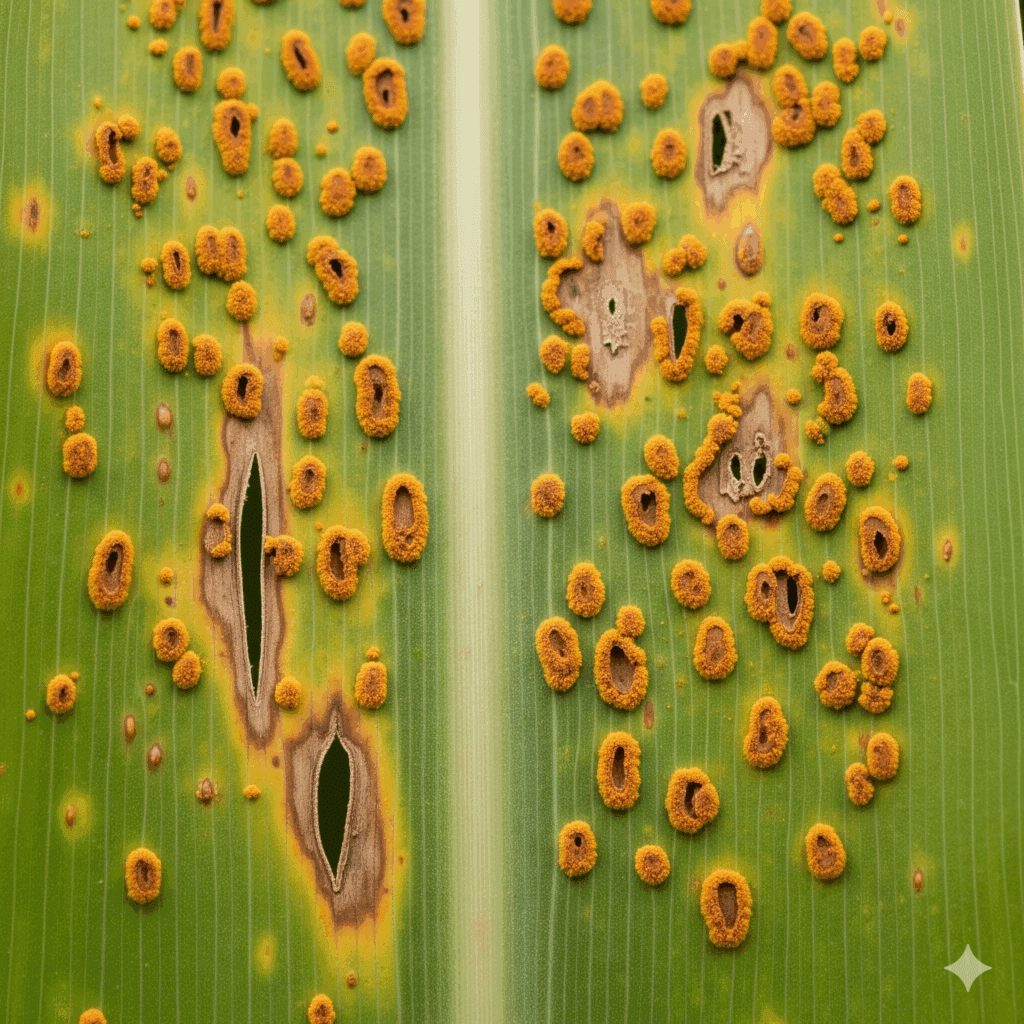
Identification of Common Pests
Among the most common pests are stalk borers (like the sugarcane borer), froghopper or spittlebug, weevils, and aphids. Constant monitoring allows for early detection.
Integrated Control Strategies
Integrated Pest Management (IPM) is recommended, which combines biological control (use of natural enemies), cultural practices (resistant varieties, rotation), and, when necessary, the selective use of insecticides.
Prevention and Treatment of Diseases
Diseases such as sugarcane smut (Ustilago scitaminea), rust (Puccinia melanocephala), leaf scald, and mosaic virus can cause significant losses. Prevention is based on the use of healthy and certified planting material, the choice of resistant varieties, and the removal of diseased plants.
Sugarcane Harvest
Harvesting is the culmination of the crop cycle, and the optimal timing is crucial for the quality of the final product.
Determining the Optimal Time for Harvest
The ideal time for harvest is determined by the physiological maturity of the cane, which translates to the maximum sucrose content. This is verified by measuring Brix degrees (soluble solids) in the cane juice.
Harvesting Techniques
The choice of technique depends on the scale of the operation and the topography.
Manual Harvesting
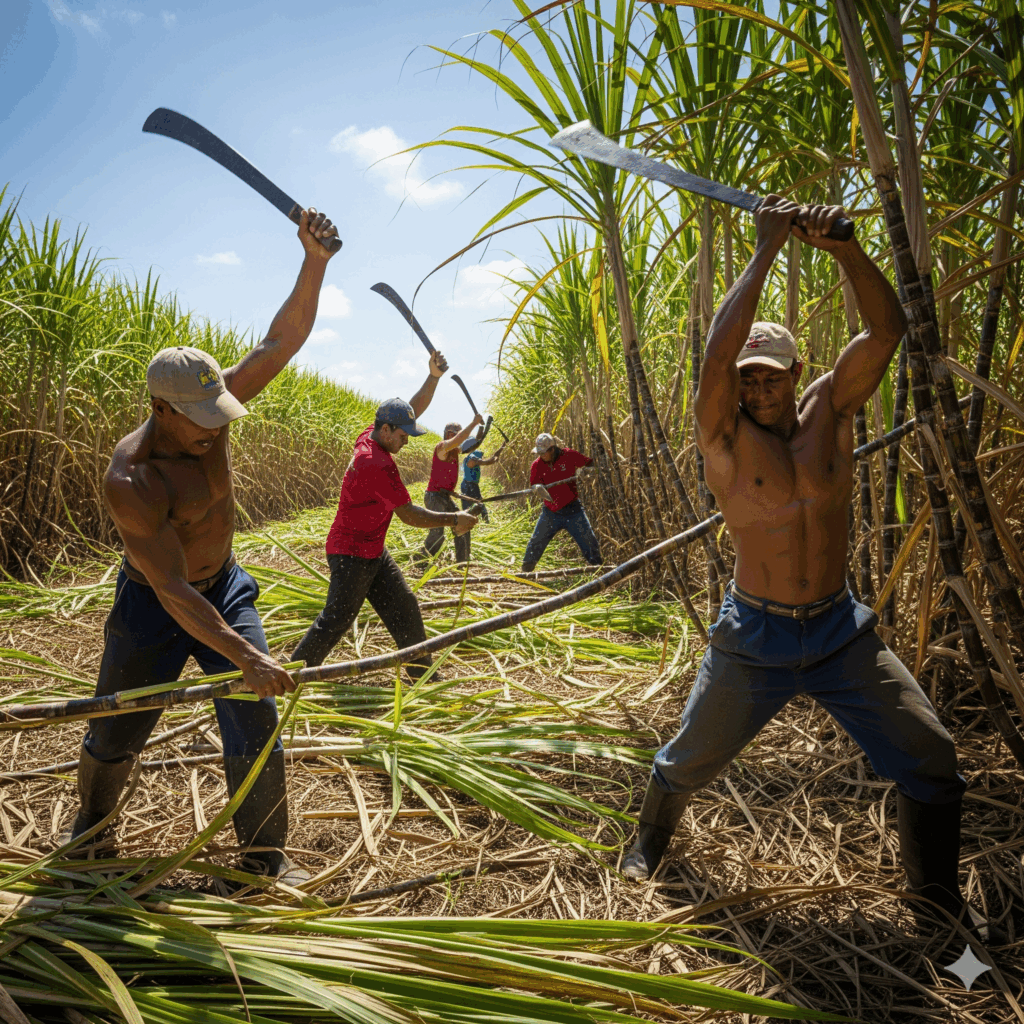
This involves cutting the stalks with machetes by crews of workers. It is a laborious method but allows for selective harvesting and is common in irregular terrain or small crops. Often, a controlled burn of the foliage is done before manual cutting to facilitate the work.
Mechanical Harvesting
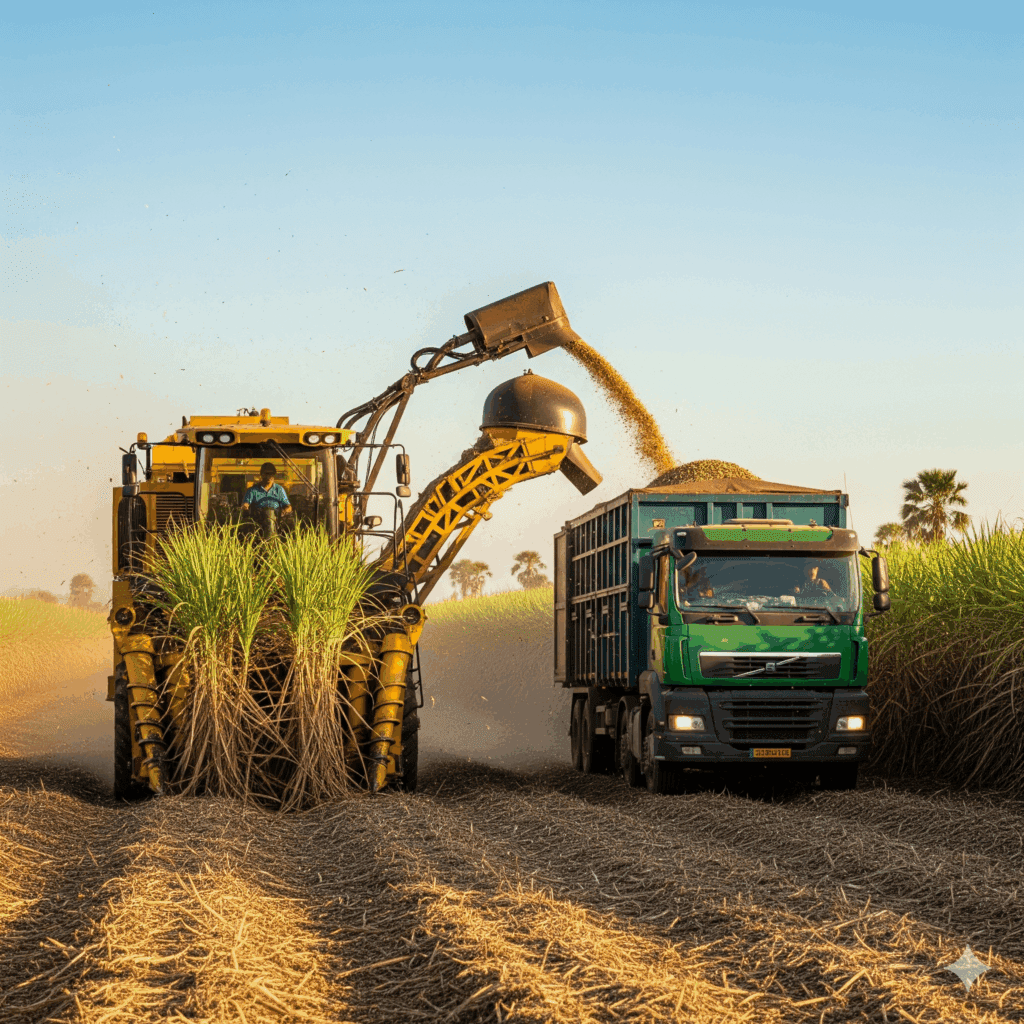
Mechanical harvesters are large machines that cut the cane, chop it, and load it into trailers. It is the preferred method for large areas and flat terrain due to its high efficiency and lower labor cost, although it requires that the cane is not burned (green harvesting).
Post-Harvest Management
After harvesting, efficient management is crucial to preserve the quality of the cane before processing.
Transport and Storage
Once harvested, the cane must be transported quickly to the sugar mill for processing. Prolonged storage of harvested cane (especially chopped cane) can lead to sucrose loss due to sugar inversion and the growth of microorganisms. Transport conditions must minimize crushing and contamination.
Preparation for Processing
At the mill, the cane is unloaded and subjected to a cleaning process (removal of dirt, leaves, and other residues) before being crushed to extract the juice, which will be the basis for the production of sugar, ethanol, and other by-products.