 AgronoBlog – Agriculture Blog
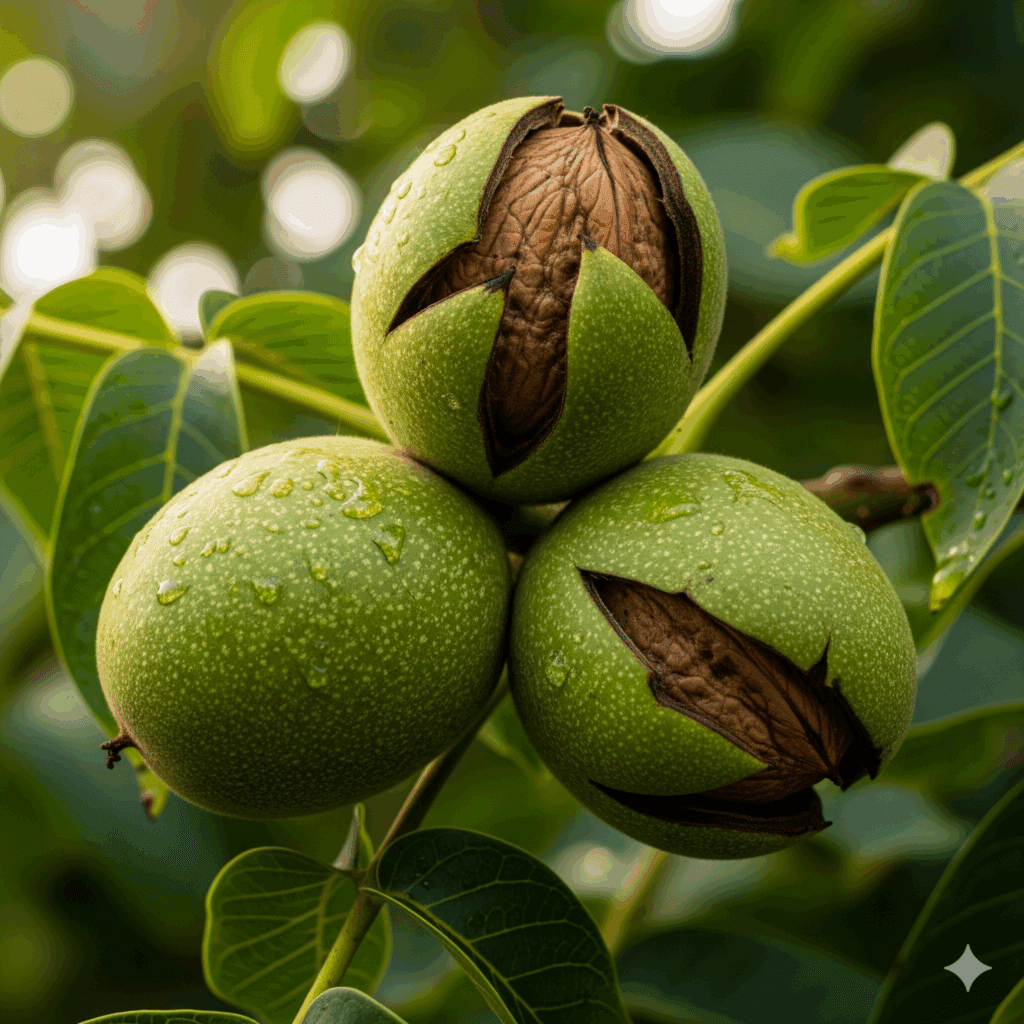
 The walnut tree (Juglans regia), also known as the common or English walnut, is a fruit tree highly valued for its nuts, which are prized for their flavor and nutritional benefits. While its growth is slow and requires specific conditions, specialized management can maximize both production and quality.
Introduction to Walnut Cultivation
The walnut tree, with its nutrient-rich fruits, represents a long-term investment that can be very profitable if managed properly.
Site Selection and Soil Preparation
The starting point for a healthy and productive walnut tree is the selection of a suitable site and meticulous soil preparation.
Ideal Climatic Conditions
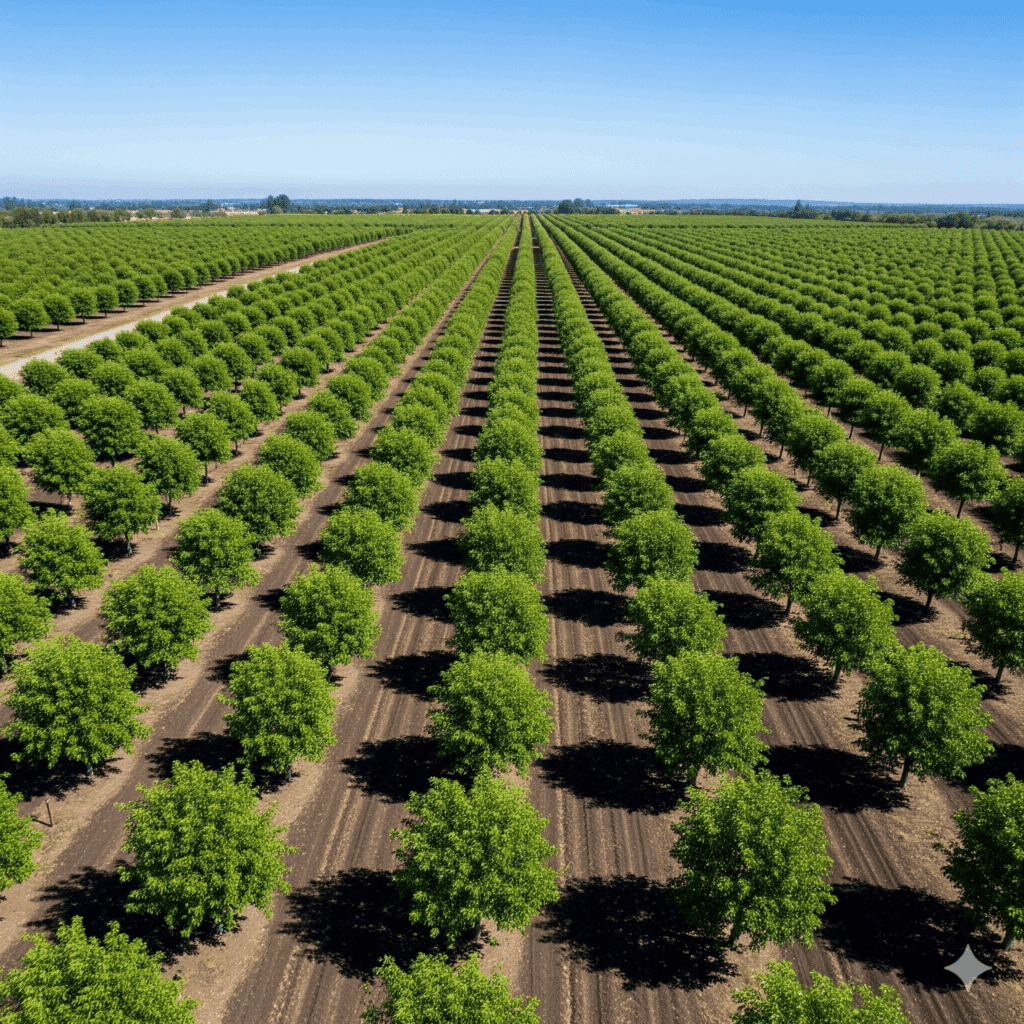
The walnut tree thrives in temperate climates, characterized by cold winters that ensure a sufficient number of chilling hours to break dormancy and warm summers for nut development. The optimal temperatures for its growth are between 20°C and 30°C. It is vital to avoid areas prone to late spring frosts, as they can damage the flowers and compromise production.
Soil Selection
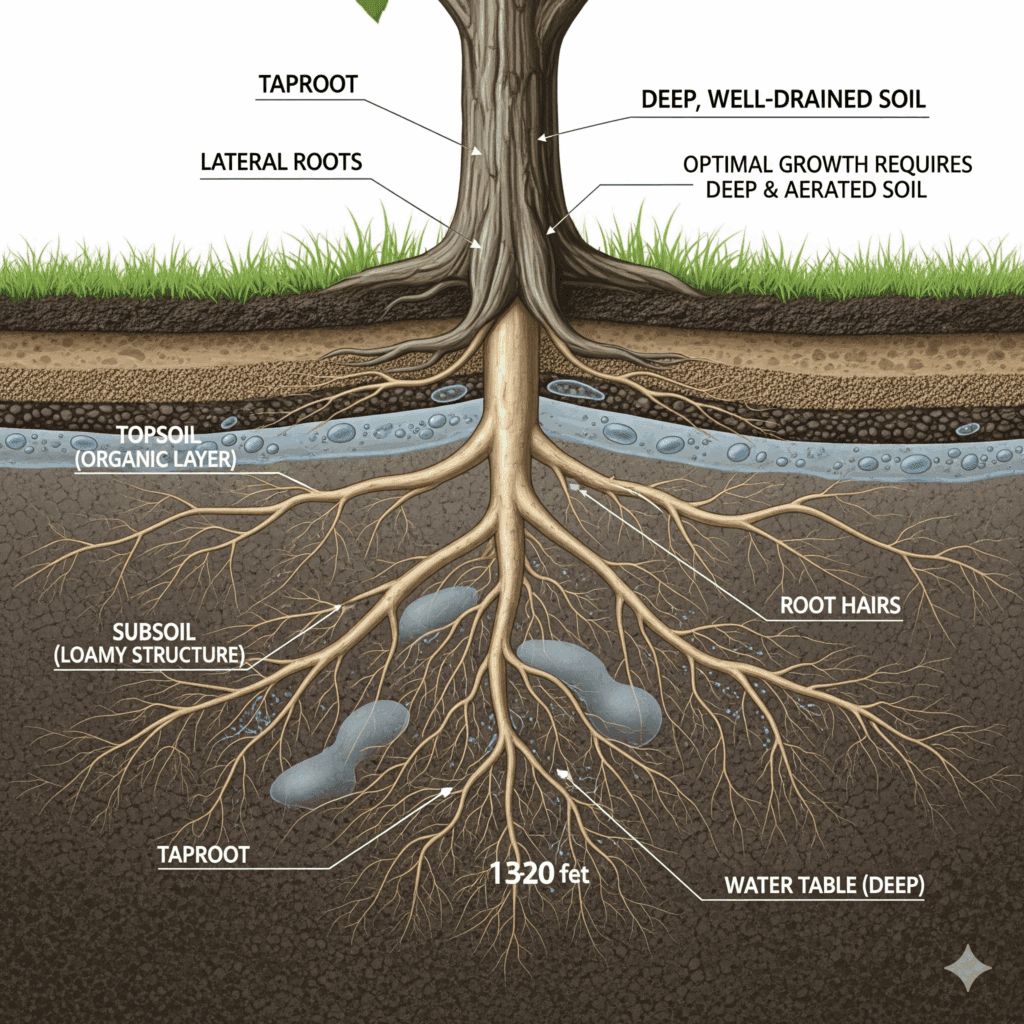
This tree requires soils that allow its extensive root system to develop. It prefers deep, well-drained soils with a high content of organic matter. Sandy loam or silty loam soils with a pH between 6.0 and 7.5 are ideal. It is crucial to avoid compacted soils or those with waterlogging problems, as these can lead to root diseases and reduce the tree’s vigor.
Soil Preparation
Good soil preparation is the foundation for success.
- Deep Tillage: Perform deep tillage to improve soil structure, aeration, and facilitate root growth.
- Incorporation of Organic Matter: Add compost or well-decomposed manure to enrich soil fertility and improve its water-holding capacity.
- Adequate Drainage: If the site is at risk of waterlogging, implement an efficient drainage system to prevent water accumulation.
Walnut Planting
The choice of variety and planting technique are critical steps.
Variety Selection
The walnut variety to be planted should be chosen considering the local climate, soil characteristics, and the target market for the production. Some common varieties include:
- Chandler: Stands out for its high yield and superior quality nuts, making it very popular in commercial production.
- Serr: Known for its cold resistance and its ability to produce large, high-quality nuts.
- Hartley: A traditional variety with good disease resistance and high-quality nuts.
Propagation Methods
The walnut tree is propagated mainly by grafting or certified seedlings. Grafting is preferred in commercial production, as it ensures uniformity in growth and nut quality.
Planting Walnut Trees
Correct planting ensures good establishment.
- Spacing: A spacing of 7 to 10 meters between trees and 10 to 12 meters between rows is recommended, adjusting according to the variety and the management system (intensive or extensive).
- Planting Method: Trees should be planted in wide holes prepared with organic amendments. Make sure the root system is well spread and covered, leaving the graft union just above the soil level to prevent rot problems.
Irrigation and Water Management
Water is an essential resource for the walnut tree, directly influencing growth and production.
Walnut Tree Water Needs
Irrigation is crucial, especially during certain stages.
- Establishment: During the first few years, irrigation should be moderate and frequent to promote solid rooting and the growth of young trees.
- Vegetative Growth: Maintain constant irrigation to encourage vigorous foliage development and the formation of productive branches.
- Nut Development and Filling: In this phase, the walnut tree requires abundant irrigation to ensure good nut size and quality. Water stress during this period can significantly reduce yield.
Irrigation Systems
The choice of irrigation system impacts water efficiency.
- Drip Irrigation: This is the most efficient system, as it delivers water directly to the root zone, minimizing losses from evaporation and leaching.
- Sprinkler Irrigation: Can be suitable for large areas, but requires careful management to avoid excessively wetting the foliage, which could favor the appearance of fungal diseases.
Pest and Disease Management
Protecting the walnut tree from pests and diseases is vital for production.

Common Pests
Constant monitoring helps control pests that can affect walnut trees:
- Walnut Curculio (Conotrachelus juglandis): Attacks developing nuts, causing premature drop and a reduction in quality.
- Aphids: Feed on young shoots, weakening the trees and potentially reducing production.
Control Strategies
Integrated control is the best defense.
- Regular Monitoring: Inspect trees frequently to detect the presence of pests in time.
- Biological Control: Introduce natural predators, such as lacewings and parasitic wasps, that feed on or parasitize pests.
- Insecticide Application: If the infestation is severe, use specific products, following technical recommendations to minimize environmental impact and avoid pest resistance.
Common Diseases
Diseases can significantly affect walnut tree productivity.
- Walnut Anthracnose (Gnomonia leptostyla): Causes dark spots on leaves and fruits, reducing photosynthesis and nut quality.
- Bacteriosis (Xanthomonas juglandis): Affects shoots, leaves, and fruits, causing necrosis and decreasing yield.
Control Strategies
Prevention and proper management are key.
- Sanitary Management: Remove and destroy affected parts of the trees to reduce disease spread.
- Use of Fungicides: Apply preventive and curative fungicides under conditions favorable for disease development, following the recommendations of a specialist.
- Crop Rotation: In systems where walnut is not the only crop, implementing rotation practices can help reduce the pressure of soil pathogens.
Pruning and Tree Management
Pruning is essential for the formation, vigor, and productivity of the walnut tree.
Formation Pruning
During the first few years, it is crucial to perform formation pruning to develop a strong and balanced tree structure. Focus on removing poorly located, weak, or damaged branches, and on encouraging the growth of main structural branches that will support future production.
Maintenance Pruning
Maintenance pruning is carried out to remove dead, diseased, or interfering branches that block air circulation and light penetration within the tree canopy. This practice also helps prevent the proliferation of diseases and facilitates harvesting tasks.
Harvesting and Post-Harvest Management
Harvesting is the culmination, and good post-harvest management ensures the quality of the final product.
Indicators of Maturity
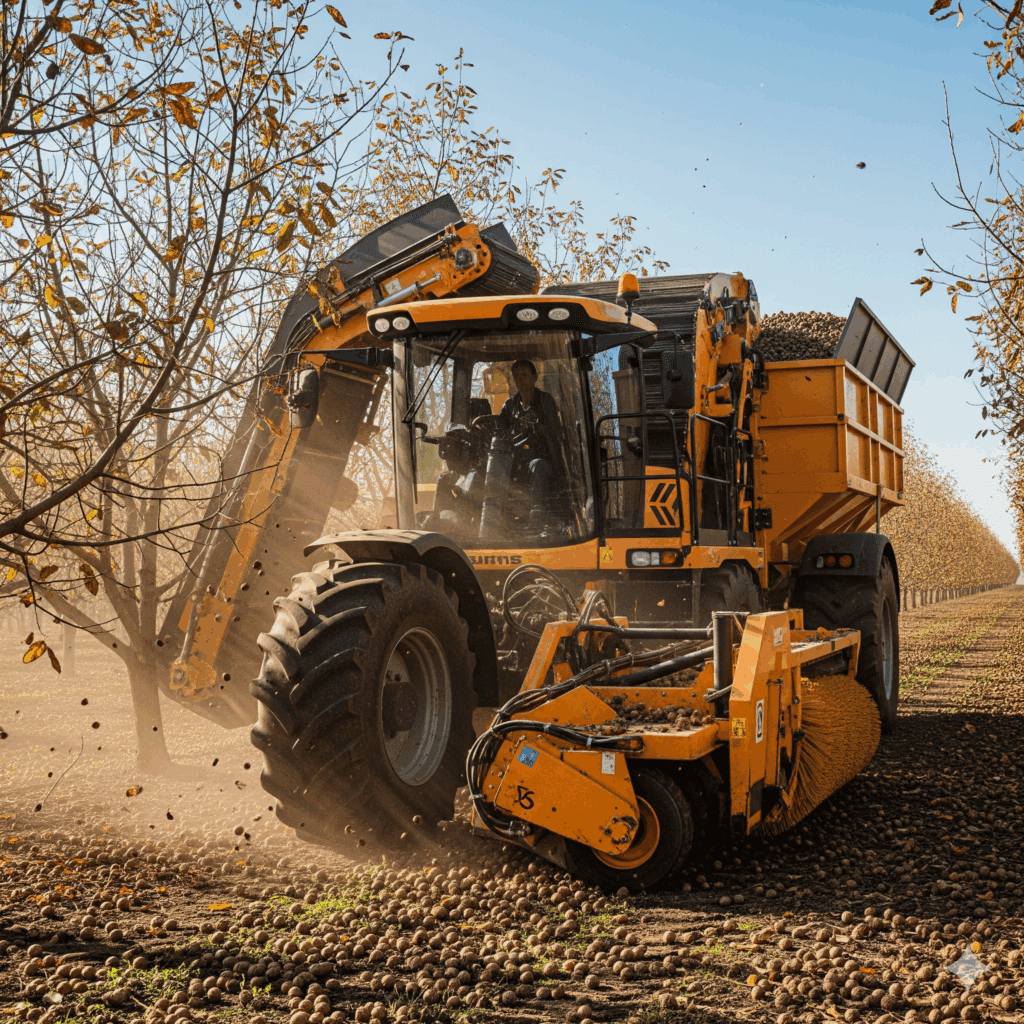
Walnuts are harvested when the outer husks (green shell) begin to open naturally, allowing the nuts to fall to the ground. It is important to collect the nuts quickly to prevent damage from moisture, mold, or pests.
Harvesting Techniques
The choice of technique depends on the scale of the operation.
- Manual Harvesting: Common in small orchards, where nuts are collected from the ground by hand or with simple tools.
- Mechanical Harvesting: In large commercial plantations, mechanical equipment such as tree shakers (which shake the nuts to make them fall) and ground sweepers that collect them automatically are used.
Post-Harvest Management
Post-harvest management is crucial for maintaining the quality and shelf life of the nuts.
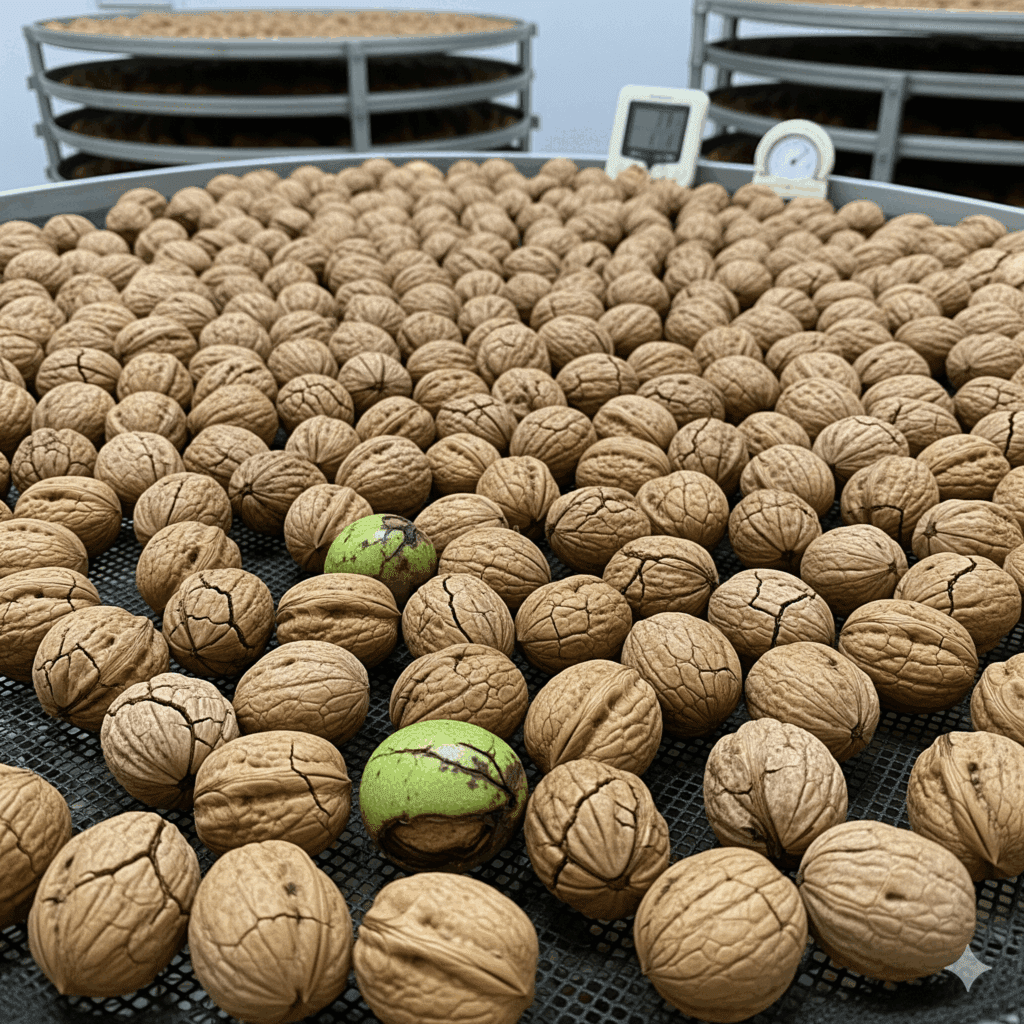
- Drying: Dry the nuts immediately after harvesting to reduce moisture content to safe levels (generally less than 8%). This prevents the growth of mold and fungi.
- Sorting and Cleaning: Sort the nuts by size and quality, and remove any impurities, shell debris, or damaged nuts.
- Storage: Store the nuts in dry and cool conditions, preferably at a temperature of 0-5°C, to extend their shelf life and preserve their organoleptic and nutritional quality.