 AgronoBlog – Agriculture Blog
 Rice cultivation, which is fundamental to global food security, is constantly threatened by various diseases that can drastically reduce yields if not adequately controlled. In this article, we will explore the main rice diseases and effective strategies for their management and control, with a particular focus on the devastating Piricularia.
Introduction to Rice Diseases
Rice is susceptible to a wide range of pathogens, including fungi, bacteria, and viruses. These agents can cause significant damage at all stages of plant development, from seed germination to grain maturation.
Importance of Disease Control in Rice Cultivation
Effective disease management is crucial to ensure sustainable and profitable rice production. Poor control can lead to substantial economic losses for farmers and affect food availability at regional and global levels. The implementation of preventive and curative strategies is vital to maintain crop health and maximize the harvest.
Main Diseases Affecting Rice
Among the numerous diseases that affect rice, some stand out for their prevalence and impact. These include Piricularia (Blast), Sheath Blight, Brown Spot, Yellow Dwarf, and Root Rots. Below, we will focus on the most destructive of them: Piricularia.
Piricularia or Rice Blast
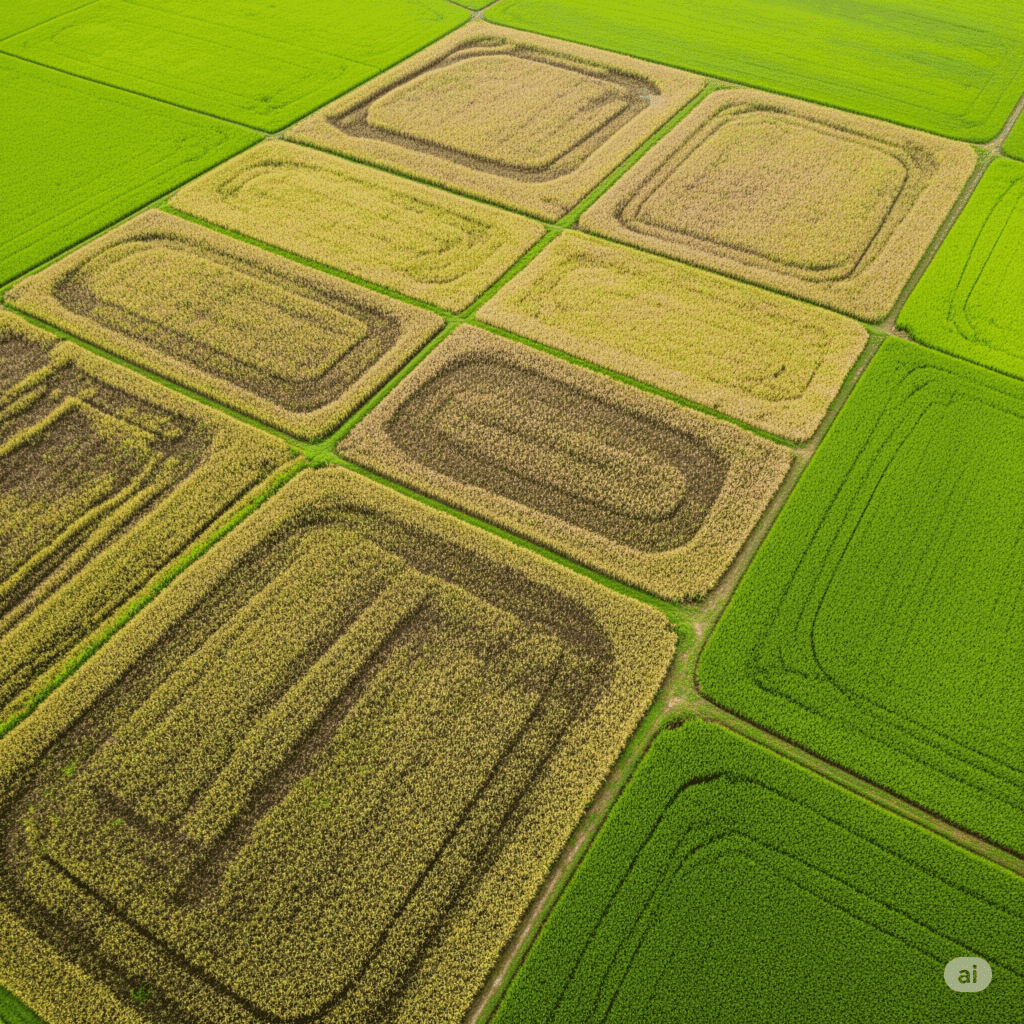
Piricularia, also known as Rice Blast, is considered the most destructive rice disease worldwide, capable of causing yield losses of up to 100% in severe conditions.
Disease Description
This fungal disease affects all aerial parts of the rice plant, including leaves, stems, nodes, the panicle neck, and grains. It is characterized by the appearance of distinctive lesions that weaken the plant and directly affect grain formation and filling.
Causal Agent: Pyricularia oryzae
The fungus responsible for Piricularia is Pyricularia oryzae, which is now classified as Magnaporthe oryzae. This pathogen has the ability to produce spores that are dispersed by the wind, allowing for rapid spread over long distances and between fields.
Conditions That Favor the Disease
Piricularia develops optimally in conditions of high relative humidity (over 90%) and temperatures ranging between 25°C and 28°C. Prolonged periods of nighttime dew and rain, as well as high nitrogen fertilization, also favor its appearance and severity.
Symptoms and Diagnosis
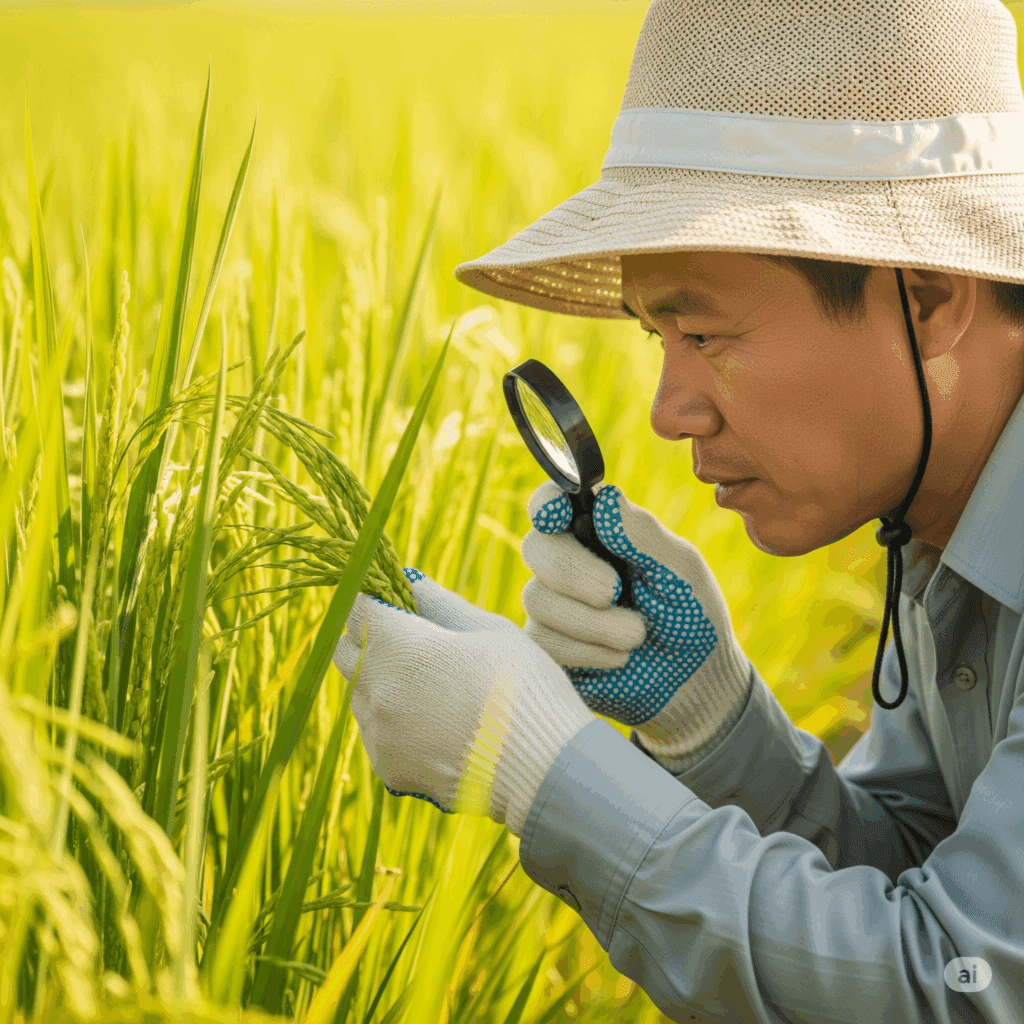
Identifying Piricularia early is fundamental for effective control. Symptoms vary depending on the affected part of the plant.
Symptoms on Leaves
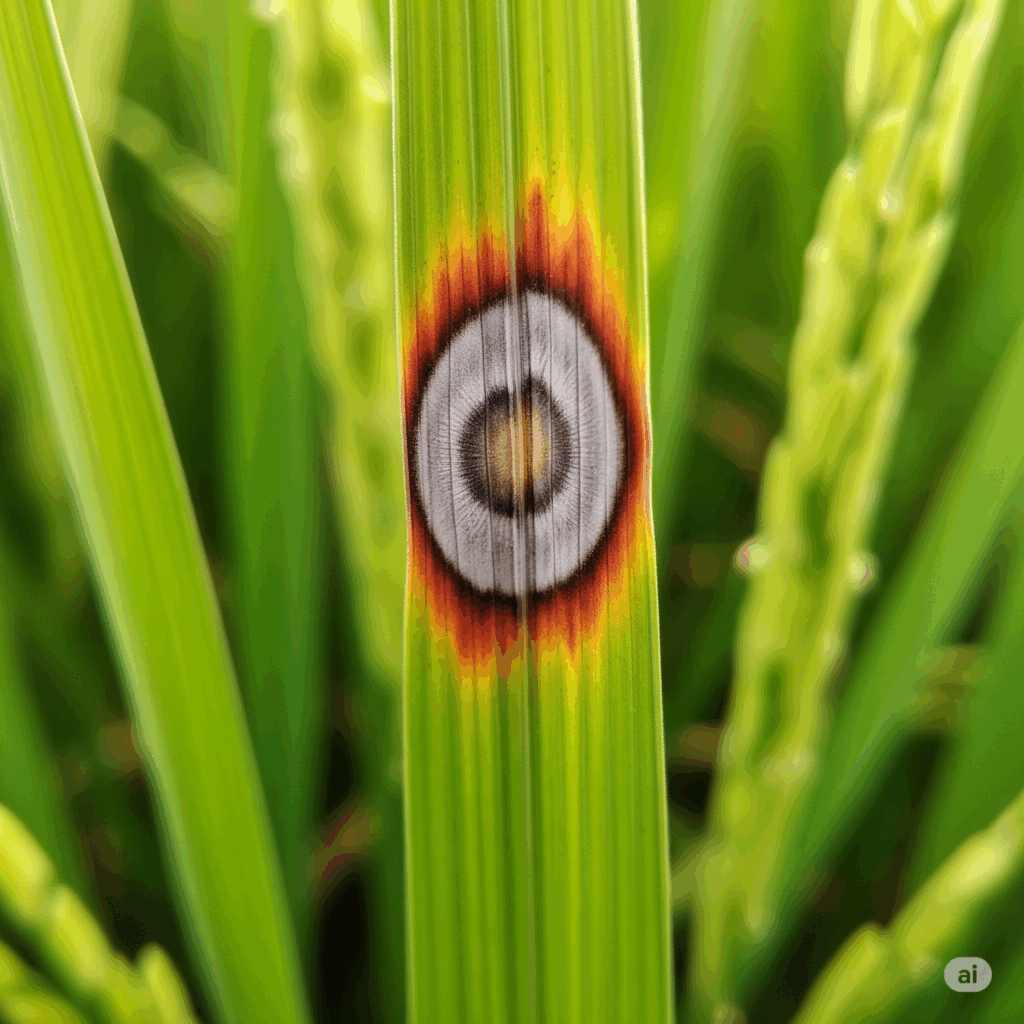
On the leaves, the disease initially manifests as small whitish-gray spots, which gradually enlarge, developing a gray center and reddish-brown borders. These lesions have a characteristic “fisheye” shape.
Symptoms on Stems and Panicles
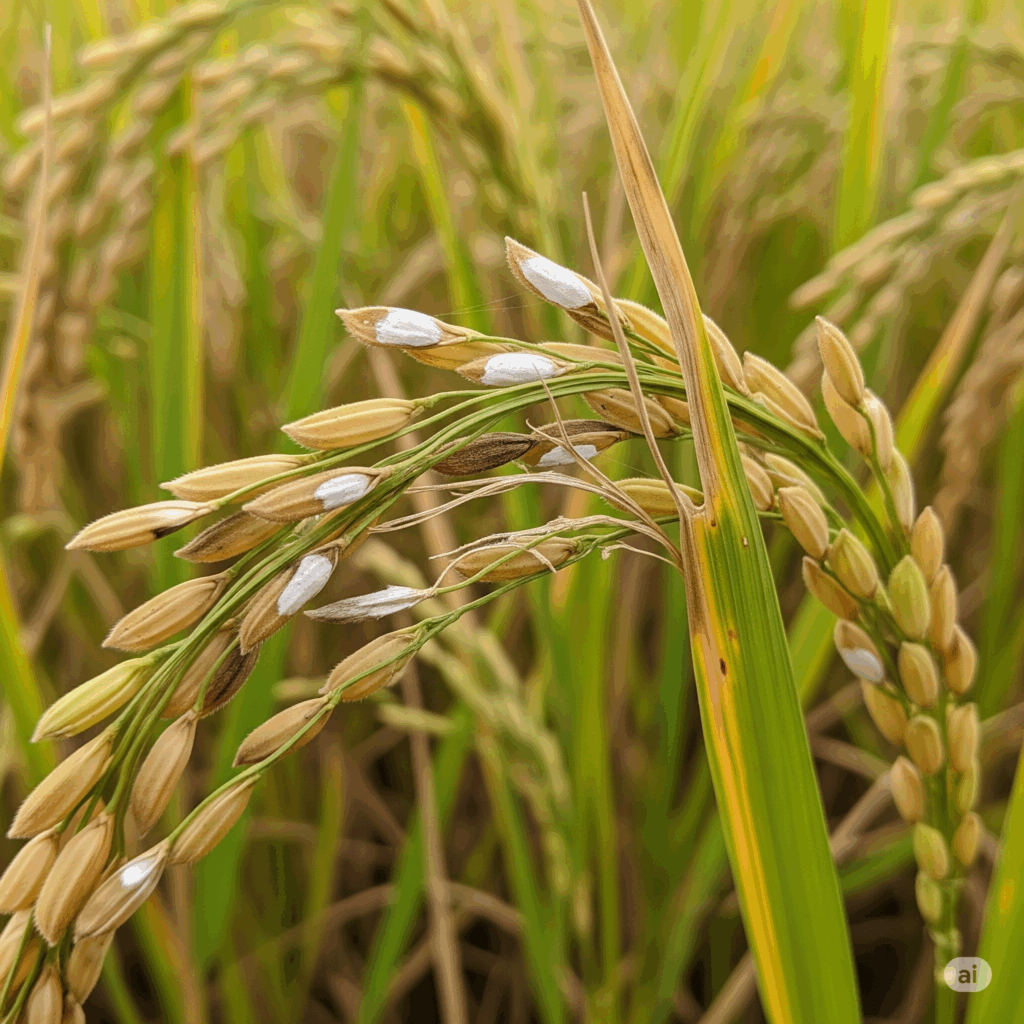
On the stems and nodes, the lesions are dark brown and can cause the stem to break, which is known as “neck blast” when it affects the base of the panicle. This interrupts the flow of nutrients to the grain, resulting in white panicles, no grains, or poorly formed grains.
Diagnosis of the Disease
Diagnosis is primarily made by observing the characteristic symptoms on the plants. In case of doubt, laboratory analyses can be performed to confirm the presence of the fungus.
Piricularia Control Strategies
Managing Piricularia requires an integrated approach that combines different methods to maximize effectiveness and minimize environmental impact.
Cultural Methods
These practices aim to create less favorable conditions for disease development.
Crop Rotation
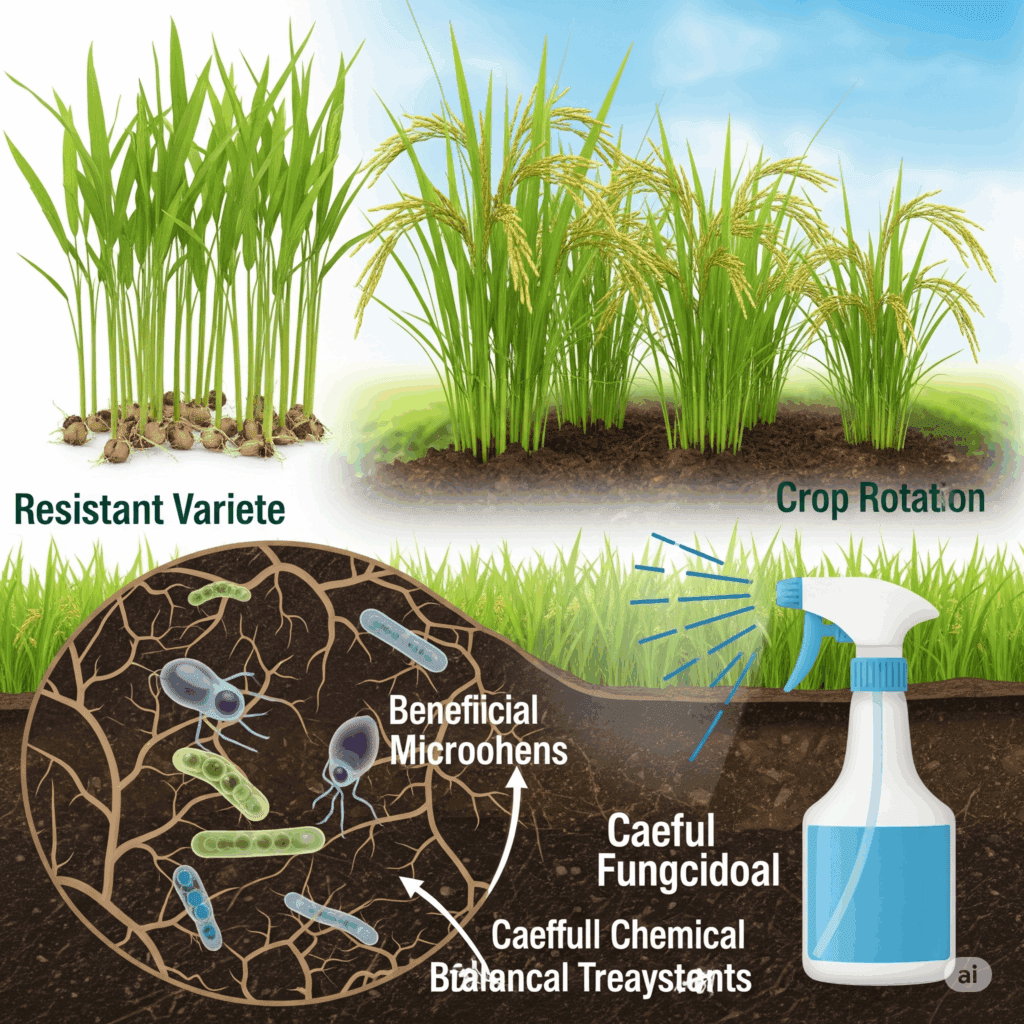
Although rice is the main host, rotation with non-susceptible crops can help reduce the pathogen’s inoculum load in the soil.
Use of Resistant Varieties
Sowing rice varieties that are genetically resistant to Pyricularia oryzae is the most effective and economical long-term strategy. Research continues to develop new varieties with greater resistance.
Chemical Methods
The use of fungicides is an important tool, especially in cases of severe outbreaks.
Recommended Fungicides
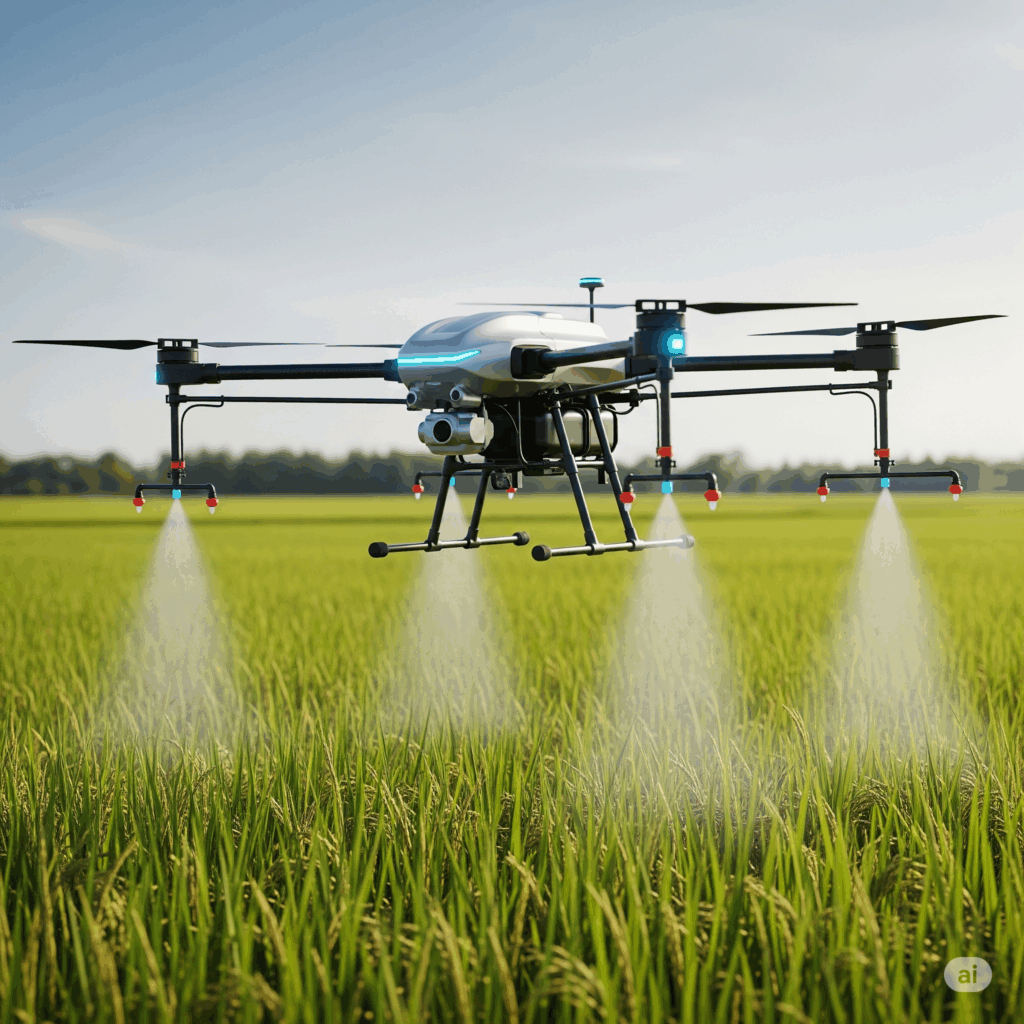
There are various systemic and contact fungicides effective against Piricularia. The choice of product should be based on the recommendation of local experts and the crop’s development stage.
Fungicide Application: Techniques and Timing
The effectiveness of fungicides depends on the correct technique and timing of application. Applications should be made preventively or at the onset of symptoms, following recommended doses and frequencies to avoid the development of pathogen resistance.
Biological Methods
Biological control offers a more environmentally friendly alternative.
Biocontrol Agents
The use of antagonistic microorganisms, such as certain bacteria or strains of beneficial fungi, can naturally suppress the growth of Pyricularia oryzae.
Use of Mycorrhizae and Beneficial Bacteria
Inoculating the soil with mycorrhizae and plant growth-promoting bacteria can improve the overall health of the rice plant and its resistance to diseases.
Integrated Disease Management (IDM) in Rice
IDM is the most comprehensive and sustainable strategy for disease control.
Principles of Integrated Disease Management
IDM is based on the rational combination of all available control tools (cultural, genetic, biological, and chemical) to keep pathogen populations below economic damage levels, while minimizing risks to human health and the environment.
Implementation of IDM in Rice Fields
The implementation of IDM involves constant monitoring of fields, early identification of diseases, selection of resistant varieties, timely application of appropriate cultural practices, and the strategic use of fungicides only when necessary.