 AgronoBlog – Agriculture Blog
 In agriculture, after harvest, lettuce is particularly susceptible to losses that can affect its quality and commercial value. Implementing proper post-harvest strategies is crucial to preserving freshness, nutritional value, and extending the product’s shelf life. In this article, we’ll explore effective tactics to reduce post-harvest losses in lettuce cultivation, combining technical advice, management practices, and nutritional considerations.
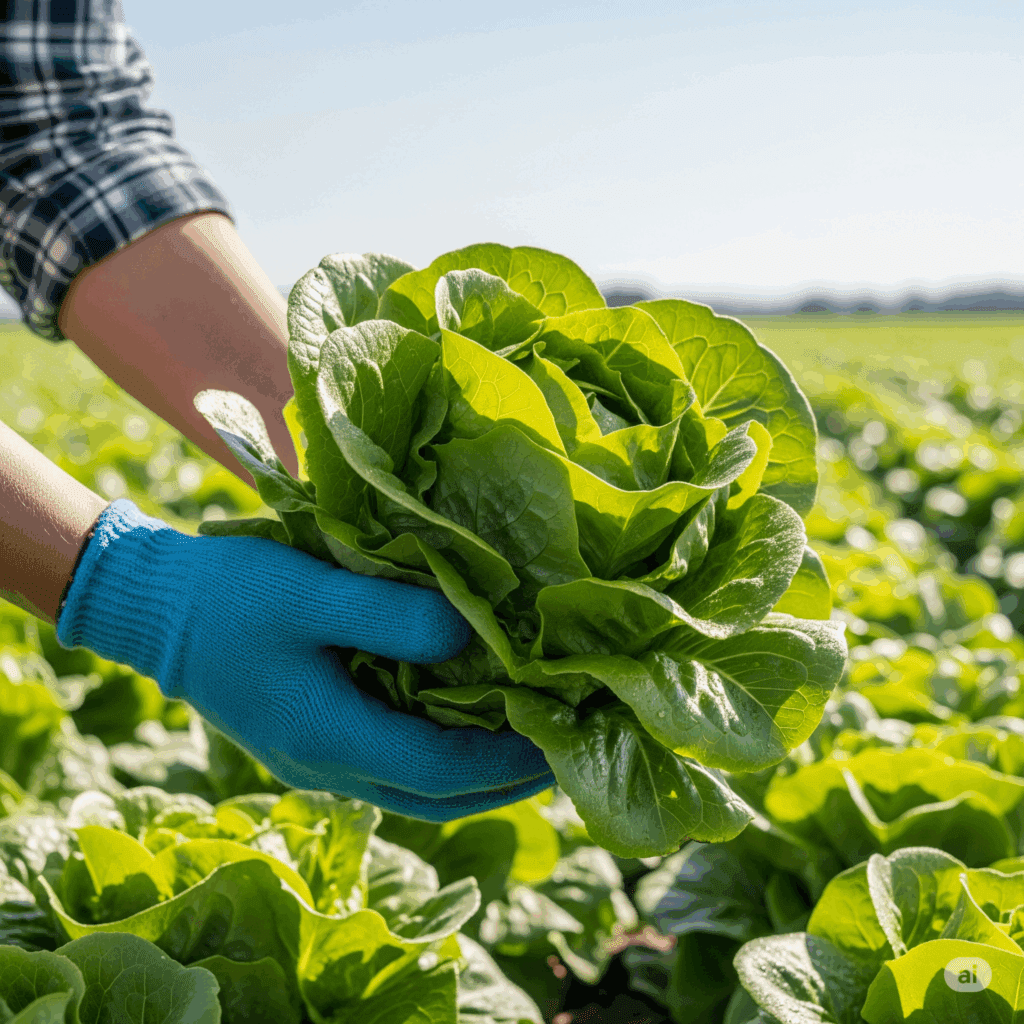
The Importance of Post-Harvest Management
The post-harvest phase is critical for maintaining lettuce quality from the field to the consumer. Efficient management reduces economic losses, minimizes food waste, and ensures that consumers receive a fresh and nutritious product.
Key Strategies to Reduce Post-Harvest Losses
Implementing these tactics is essential to preserving the quality of lettuce after it is harvested.
1. Careful Handling During Harvest
The harvesting process is the first point of control.
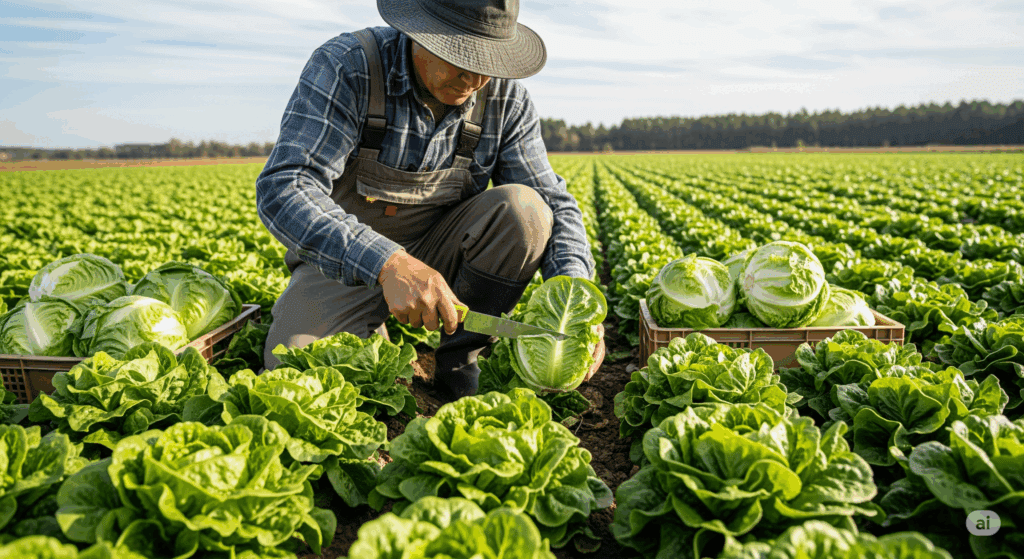
- Choosing the right time: Harvesting lettuce at its optimal point of maturity ensures leaves are fresh and resilient to transportation and storage.
- Cutting techniques: Using sharp tools and making precise cuts helps avoid mechanical damage to leaves and stems, which can be entry points for pathogens.
2. Immediate Cleaning and Grading
Hygiene and separation are vital.
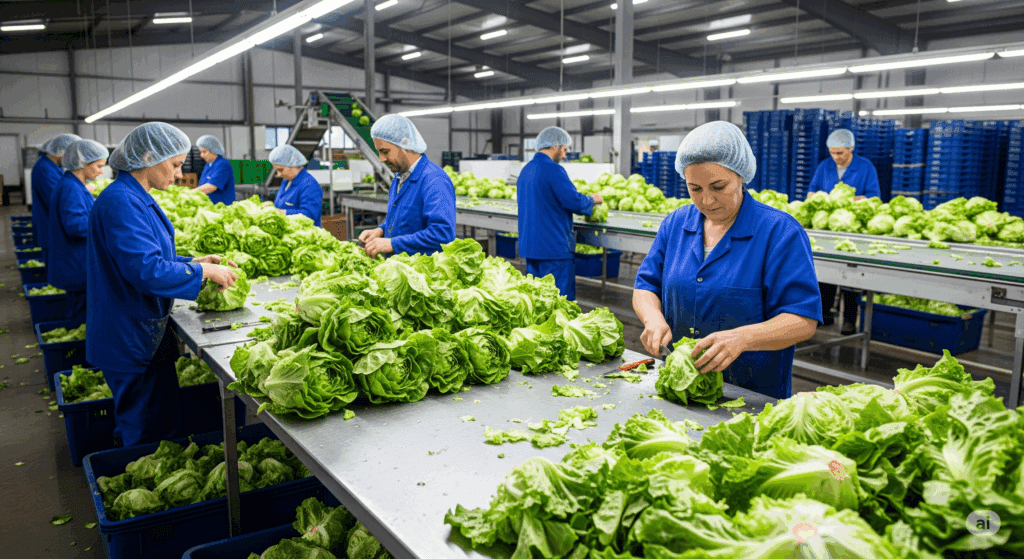
- Gentle cleaning: It is crucial to remove dirt and debris without over-wetting the leaves. Excess moisture can promote the growth of mold and bacteria.
- Grading: It is essential to quickly separate any damaged, bruised, or diseased lettuce to prevent it from contaminating the rest of the batch, as rot can spread rapidly.
3. Rapid Cooling and Temperature Control
Temperature reduction is one of the most critical actions.
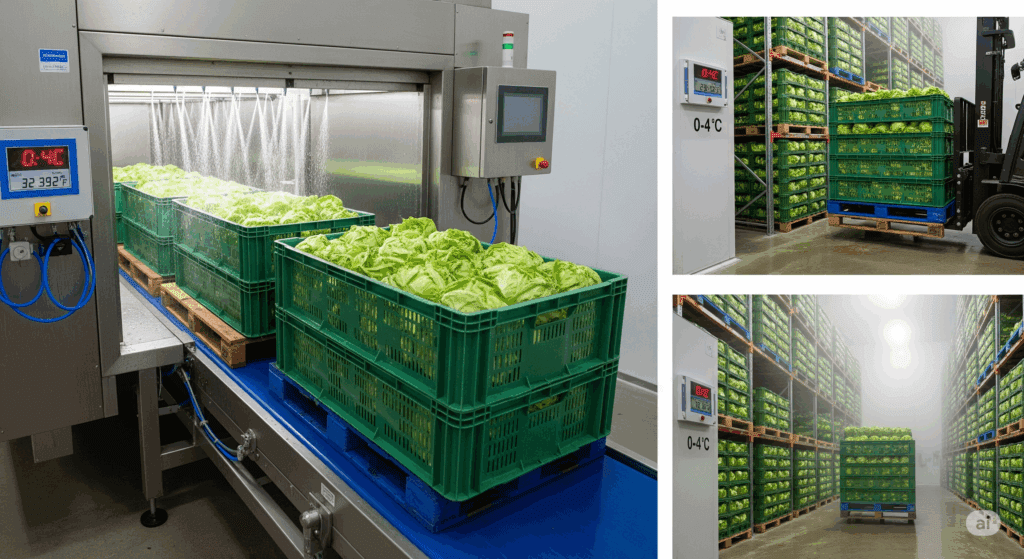
- Post-harvest cooling: The temperature of the lettuce must be rapidly reduced after harvest. Methods like hydrocooling (immersion in cold water) or forced-air cooling lower the lettuce’s metabolism and delay its deterioration.
- Cold chain: It is imperative to maintain a constant temperature between 0°C and 4°C (32°F and 39°F) throughout storage and transport. Interruptions in the cold chain can significantly accelerate product decomposition.
4. Proper Packaging and Storage
Physical protection and the storage environment are key.
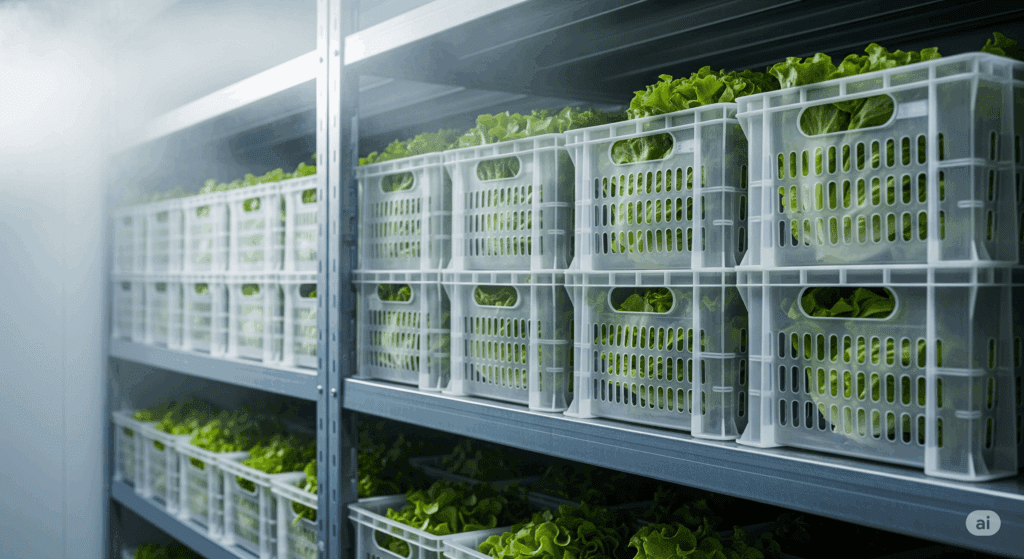
- Ventilated packaging: Use boxes or containers that allow air circulation and reduce direct contact between the lettuce heads. This prevents physical damage and moisture buildup.
- Humidity control: Maintaining a relative humidity of 90-95% in the storage environment is ideal. This prevents desiccation (loss of turgor) without promoting mold growth and other fungal issues.
5. Monitoring and Inventory Rotation
Constant vigilance ensures quality.
- Regular inspection: It’s important to periodically check the condition of the stored lettuce and remove any heads that show signs of deterioration to prevent problems from spreading to the rest of the batch.
- Stock rotation: Applying the PEPS (Primero en Entrar, Primero en Salir) principle, which stands for FIFO (First In, First Out), is crucial. This minimizes the storage time for each batch and prevents lettuce from being held for too long, over-maturing, or deteriorating in inventory.
Table: Post-Harvest Strategies and Their Benefits
| Strategy | Specific Action | Benefits |
| Careful handling at harvest | Use sharp tools and make precise cuts | Minimizes physical damage, preserves quality |
| Rapid cooling | Reduce temperature immediately after harvest | Delays deterioration, extends shelf life |
| Ventilated packaging | Use boxes with ventilation and cushioning protection | Prevents damage, controls moisture |
| Regular monitoring | Periodic inspections and inventory rotation | Detects problems early, reduces losses |
Nutrition and Handling Tips for Maintaining Lettuce Quality
Although lettuce no longer absorbs nutrients after harvest, its value is maintained with optimal handling.
- Post-harvest nutrition: The nutritional content of lettuce is best preserved when stored under optimal temperature and humidity conditions. High or fluctuating temperatures, as well as low humidity, can accelerate the degradation of sensitive vitamins.
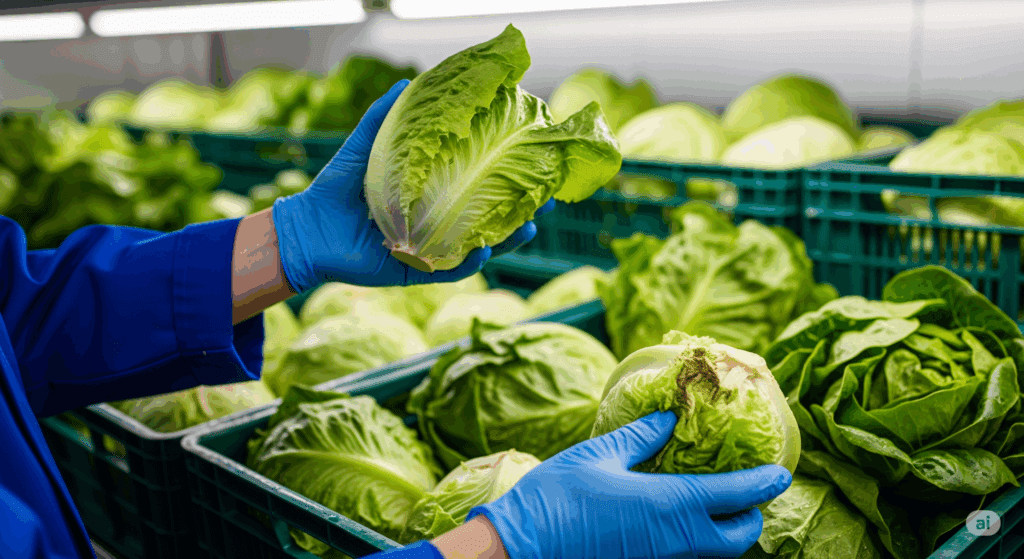
- Avoid physical damage: Bruises, bumps, or tears in the leaves not only affect the lettuce’s appearance but also accelerate its deterioration. This damage opens the door to oxidation and the loss of air-sensitive vitamins, reducing the product’s nutritional value.
Conclusion
Reducing post-harvest losses in lettuce cultivation requires a combination of careful techniques from the moment of harvest through storage and transport. By implementing strategies such as gentle handling, rapid cooling, the use of proper packaging, and constant monitoring, producers can preserve the quality, freshness, and nutritional value of lettuce. A comprehensive and technical approach in the post-harvest phase ensures that lettuce reaches its destination in the best possible condition, benefiting both the agricultural economy and consumers.