 AgronoBlog – Agriculture Blog
 Understanding the phenological stages of the lemon crop (Citrus limon) is fundamental for implementing precise and timely agronomic practices that maximize yield and fruit quality. Each phase of the lemon tree’s development has specific requirements for management, nutrition, and phytosanitary protection. In this second part, we will delve into the physiology of each phenological stage, highlighting key processes and detailed agronomic management recommendations to ensure successful production under the specific conditions of Latin America.
Stage 1: Germination and Initial Growth – Laying the Foundation for Success
This stage covers from the germination of the seed or the graft’s take until the establishment of a young and vigorous seedling.
- Physiology: The lemon seed requires optimal conditions of humidity, temperature (around 25-30°C), and aeration to begin germination. The embryo absorbs water, swells, and the radicle emerges, followed by the hypocotyl, which rises above the soil surface to develop the cotyledons. In the case of grafts, the key process is the formation of a callus that allows for the vascular union between the rootstock and the grafted bud or scion.
- Detailed Agronomic Management:
- Soil: Select well-drained soils with good organic matter content and a pH between 5.5 and 6.5. Prepare the land properly with plowing and harrowing to ensure good soil structure.
- Sowing/Planting: Use certified and treated seeds to prevent early diseases. For grafts, ensure compatibility between the rootstock and the scion variety, and plant at the appropriate time, avoiding periods of water stress or extreme temperatures.
- Irrigation: Maintain constant soil moisture during germination and seedling establishment, avoiding waterlogging that can cause root rot.
- Initial Nutrition: Apply slow-release fertilizers or low doses of soluble fertilizers rich in phosphorus (P) to promote root development. The table provided in the first part offers general ranges.
- Protection: Monitor for early pests such as aphids and leaf miners. Protect seedlings from frost, strong wind, and excessive solar radiation using stakes or shade cloths if necessary.

Stage 2: Vegetative Development – Building the Productive Architecture
This phase is characterized by the active growth of leaves, branches, and roots, establishing the tree’s structure that will support future flowering and fruiting.
- Physiology: The plant focuses its energy on expanding its foliar system to maximize photosynthesis. New shoots and branches develop, and the root system expands in search of water and nutrients. Early pruning during this stage significantly influences the final shape and size of the tree.
- Detailed Agronomic Management:
- Formation Pruning: Perform strategic pruning to remove basal shoots, crossed or poorly directed branches, and select the main branches that will form the tree’s skeleton. This facilitates light and air penetration and improves the distribution of future fruits.
- Irrigation: Adjust the frequency and amount of irrigation according to climatic conditions and the growth stage. Avoid both water deficit and excess.
- Nutrition: Increase nitrogen (N) application to promote vegetative growth, along with potassium (K) for strong tissue development. Continue with balanced applications of phosphorus (P) and essential micronutrients like zinc (Zn), manganese (Mn), and iron (Fe), based on soil and foliar analyses. The table in the first part offers indicative ranges.
- Pest and Disease Control: Monitor and control pests like leaf miners, aphids, scales, and fungal diseases like gummosis. Implement Integrated Pest Management (IPM) strategies, prioritizing biological control and the use of selective phytosanitary products at recommended doses.
Stage 3: Flowering and Pollination – The Beginning of the Harvest
This crucial stage determines the production potential for the season.
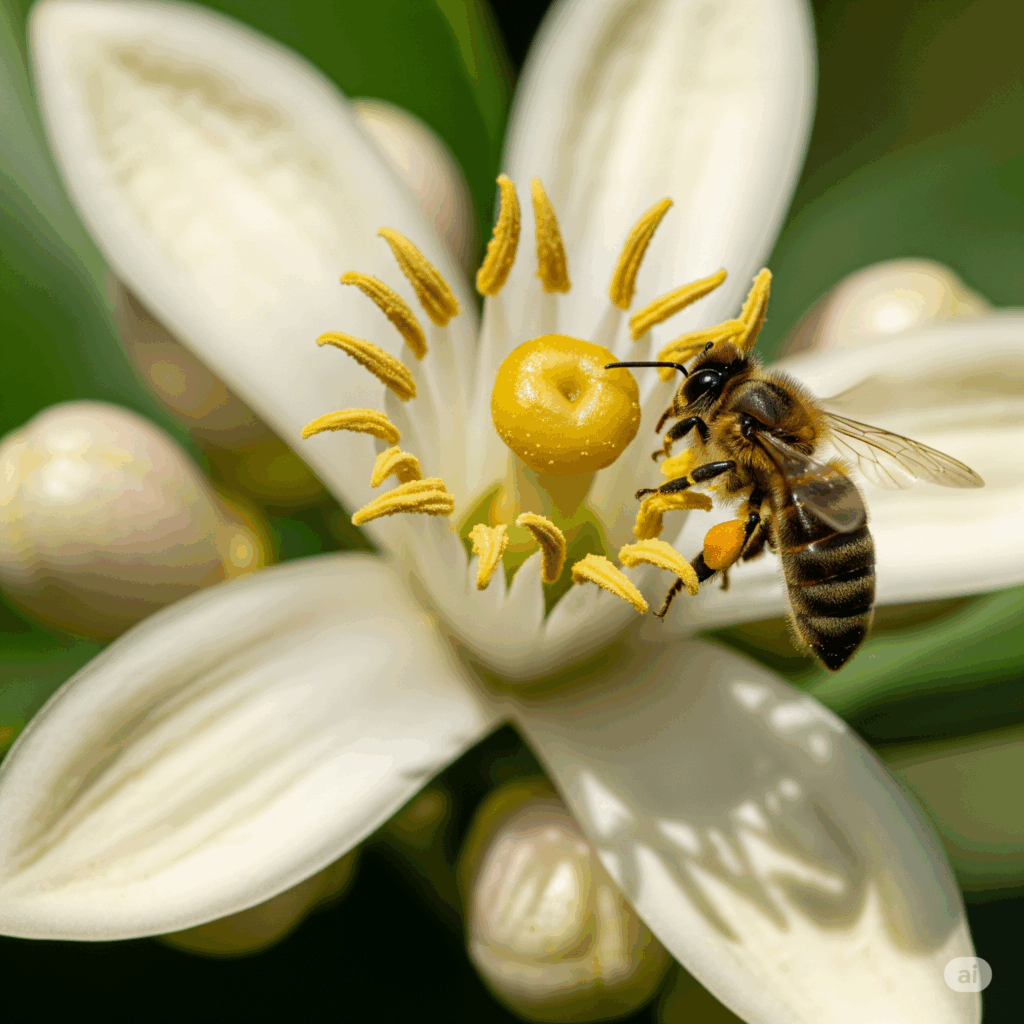
- Physiology: The plant experiences a shift in its hormonal balance, inducing the differentiation of floral buds. The lemon flower is hermaphroditic and generally self-compatible, although cross-pollination by insects (primarily bees) can improve fruit set and harvest quality. Environmental factors like temperature and water stress can influence the intensity and duration of flowering.
- Detailed Agronomic Management:
- Irrigation Management: A slight, controlled water stress can favor floral induction in some varieties, followed by adequate irrigation during flowering to ensure the development of the flowers.
- Nutrition: Ensure a balanced nutrition, with adequate inputs of phosphorus (P) for flower formation and boron (B) and calcium (Ca) for pollen viability and fruit set. Reduce nitrogen (N) application to prevent excessive vegetative growth at the expense of flowering. Consult the table from the first part for recommended doses.
- Pollination: Encourage the presence of natural pollinators, such as bees, by avoiding the use of insecticides during flowering. In some situations, introducing beehives may be considered.
- Pest and Disease Control: Monitor and control pests that can damage flowers, such as thrips and whiteflies, and fungal diseases like anthracnose. Use phytosanitary products that are compatible with pollinator activity.
Stage 4: Fruiting and Ripening – Fruit Development and Quality
This stage extends from fruit set to its physiological maturity.
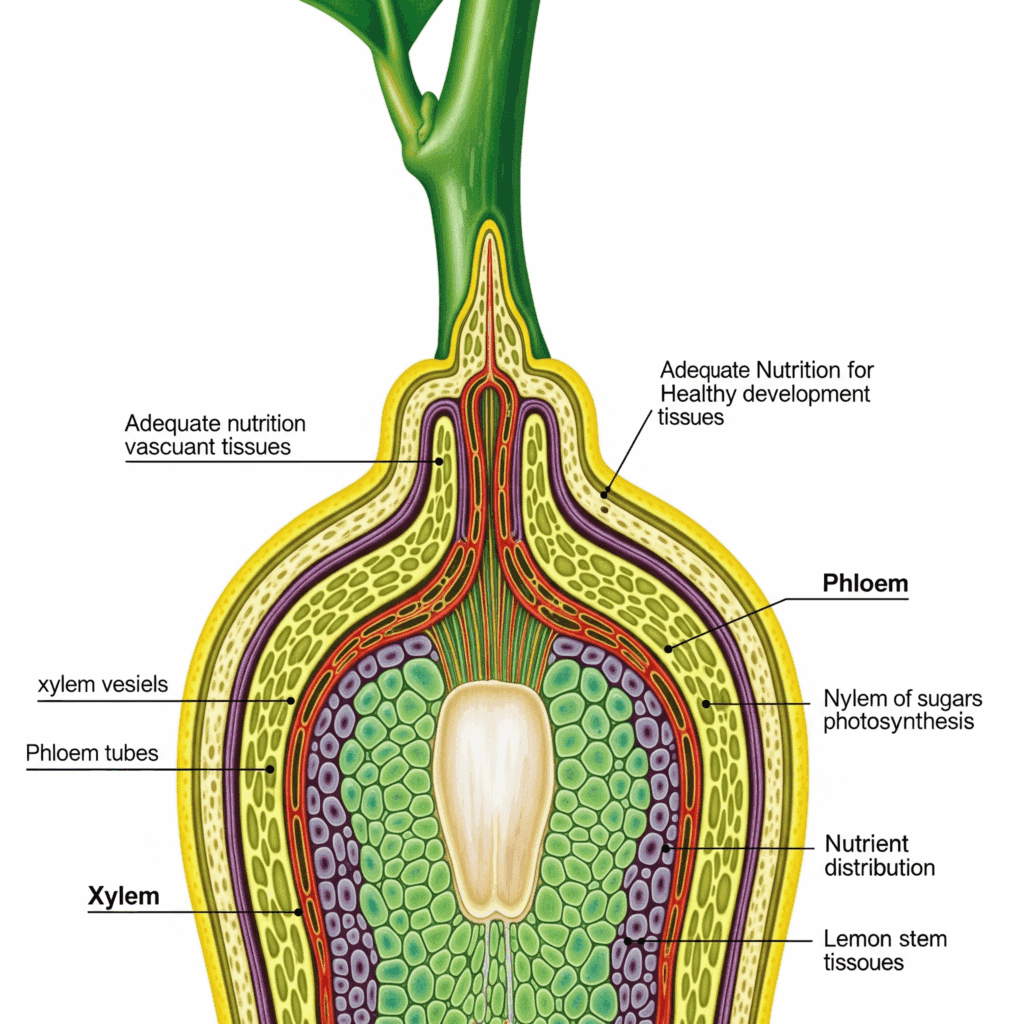
- Physiology: After fertilization, the flower’s ovary begins to develop into the fruit. Initially, the fruit undergoes rapid cell growth, followed by a period of accumulating sugars, acids, and other compounds that determine its size, flavor, and quality. The peel gradually changes color as the fruit ripens.
- Detailed Agronomic Management:
- Irrigation: Maintain regular and constant irrigation to ensure adequate fruit development and prevent problems such as peel cracking.
- Nutrition: Increase potassium (K) application to promote fruit filling and quality, along with phosphorus (P) for tissue development. Continue with balanced inputs of calcium (Ca) for fruit firmness and micronutrients. Adjust doses according to the provided table and foliar analyses.
- Fruit Thinning: In some varieties with an excessive fruit load, thinning may be necessary to improve the size and quality of the remaining fruits and prevent tree exhaustion.
- Pest and Disease Control: Monitor and control pests that attack fruits, such as fruit flies and scales, and diseases like anthracnose and green mold. Implement timely and appropriate control measures.
- Sun Protection: In regions with high solar radiation, it may be necessary to protect young fruits with nets or covers to prevent sunburn.

Stage 5: Harvest and Post-Harvest – The Culmination of the Productive Cycle
This stage marks the end of the production cycle and requires careful management to preserve the quality of the harvested fruits.
- Physiology: Harvesting is done when the fruits reach an optimal state of commercial maturity, determined by factors such as size, peel color, juice content, and acidity. Post-harvest involves processes to maintain the quality of lemons during storage, transport, and commercialization.
- Detailed Agronomic Management:
- Harvest Criteria: Establish clear maturity criteria for harvesting, based on market demands and the destination of the fruits (fresh consumption, processing).
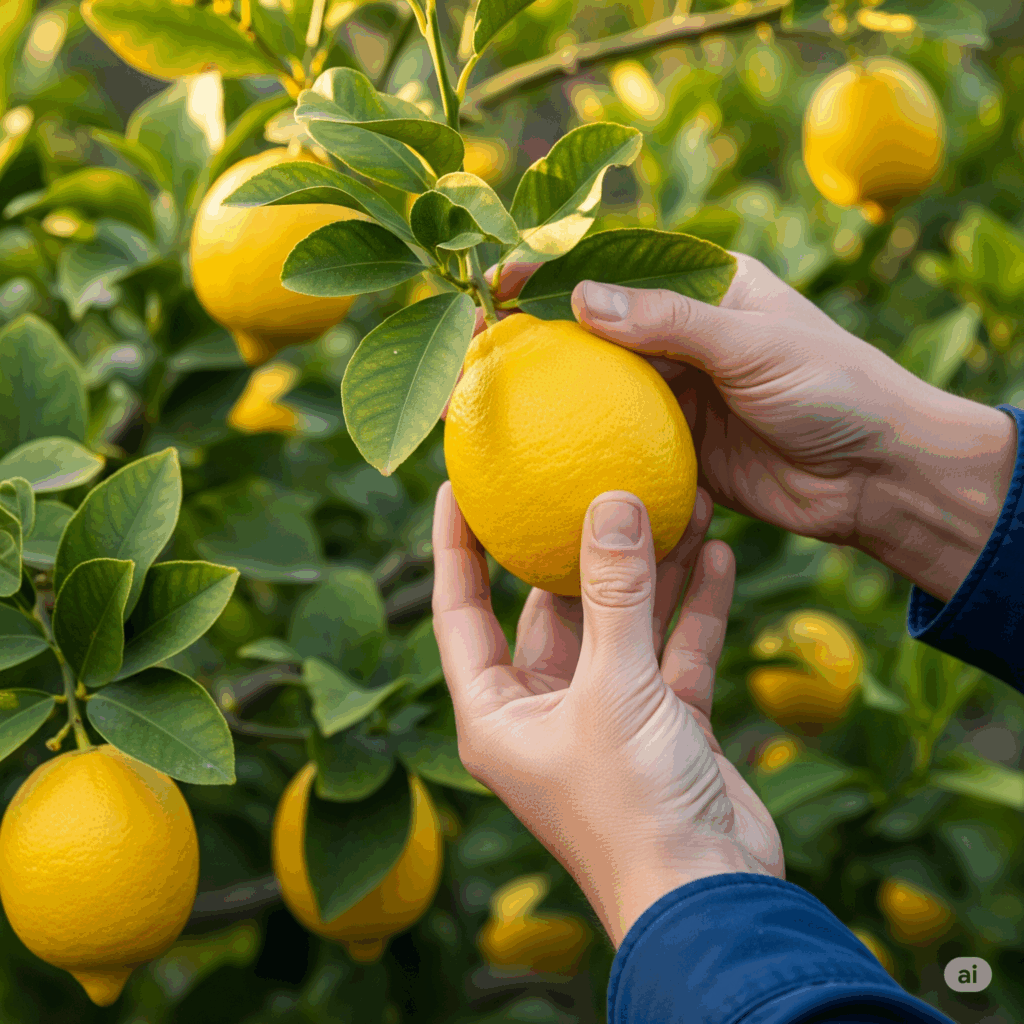
- Harvesting Methods: Harvest manually and carefully to avoid mechanical damage (bumps, cuts, bruises) that can reduce the quality and shelf life of the lemons.
- Post-Harvest Management:
- Sorting: Select fruits according to their size, shape, and absence of defects.
- Washing and Disinfection: Remove field residues and apply fungicidal treatments to prevent the development of post-harvest diseases.
- Waxing: Apply a layer of wax to reduce water loss and improve the peel’s shine.
- Storage: Store lemons at optimal temperatures and relative humidity to extend their shelf life. Conditions vary depending on the desired storage period.
- Transport: Transport in appropriate temperature and ventilation conditions to prevent fruit deterioration.
Conclusion: A Phenological Approach for Sustainable and Profitable Lemon Production
Agronomic management of the lemon crop based on its phenological stages allows for the optimization of resource application, anticipating the plant’s needs, and responding in a timely manner to phytosanitary challenges. A detailed understanding of the physiology of each phase, along with the implementation of precise management practices adapted to the local conditions of Latin America, is key to achieving sustainable, profitable, and high-quality lemon production. The continuous observation of crop development and the adjustment of agronomic practices based on phenological stages are the foundation of successful management.